The Invisible Supreme Leader Is the Iran Story — Everything Else Is Noise
Mojtaba Khamenei did not attend his own father's state funeral. Read that sentence again. Iran's designated Supreme Leader — the man the IRGC is now issuing directives in the name of — has not been seen publicly in 120 days. Three of his brothers were photographed at the coffin. He was not. The IRGC is writing letters to commanders telling them Mojtaba's MOU position 'is the regime's final basis for action,' which is either a loyalty enforcement operation or a ventriloquism act on behalf of a leader who cannot appear. We do not know which. What we do know is that the entire diplomatic architecture of the Islamabad MOU — the July 11 Islamabad talks, the Bürgenstock roadmap, Rubio's Gulf tour — is being negotiated against the backdrop of a regime whose leader is invisible and whose succession legitimacy is unproven. That is not a stable negotiating counterparty.
The nuclear fortification evidence makes the diplomacy look even shakier. Satellite imagery from June 21-30 — the exact period after the Bürgenstock roadmap was agreed — shows construction activity at tunnel entrances near Natanz. Iran's negotiators are in Doha saying 'positive progress' while engineers are hardening what appears to be a nuclear site. This is not unusual behavior for Iran; it is consistent with decades of dual-track strategy. But it should be called what it is: Iran is stalling on nukes while managing a succession crisis and absorbing mass domestic unrest, and using the ceasefire window to fortify rather than freeze. The US has publicly said nothing about the satellite imagery.
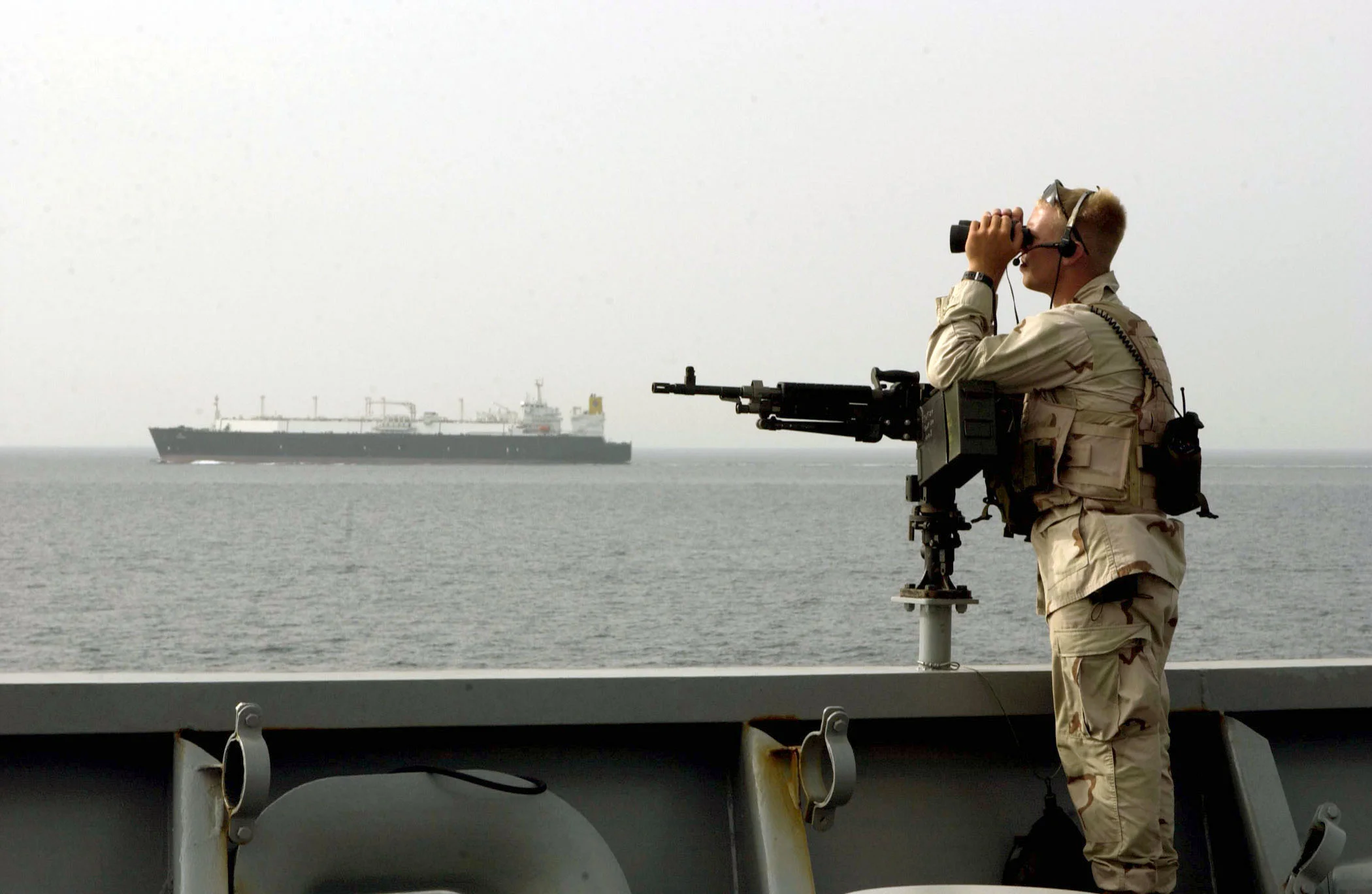
The Houthi escalation today — 16 troops killed near Hodeidah AND a Red Sea cargo ship attacked, attacker unconfirmed — may be coincidental timing with the funeral and Hormuz fragility, or it may be coordinated signaling. No sourcing establishes a link. But the simultaneity matters: the Islamabad MOU covers Iran, not the Houthis, and the Houthis have demonstrated they can operate independently of Tehran's diplomatic posture. Any Hormuz 'recovery' narrative built on Sunday's six tankers should be weighed against a Red Sea attack the same day that has no confirmed attribution and vessels still U-turning in the Strait on Saturday. This is not a reopening. It is a managed, fragile, contested corridor that moves at the pace of whoever wants to disrupt it next.