DIGITAL NEWS USA

July 3, 2026 6:04 PM ET
Daily Intelligence Briefing
Brent Crude
$72.30
+0.6% day; 4th consecutive weekly loss
WTI Crude
$68.74
+0.08% day; -26.1% past month
S&P 500
Closed (Independence Day observed)
Dow +1.1% Thu, closed at all-time high; S&P flat Thu; Nasdaq -0.8% Thu
War Day
125
Since Feb 28
Khamenei Funeral Freezes Diplomacy as Israel Plays Spoiler Photo: US Department of Defense / DVIDS
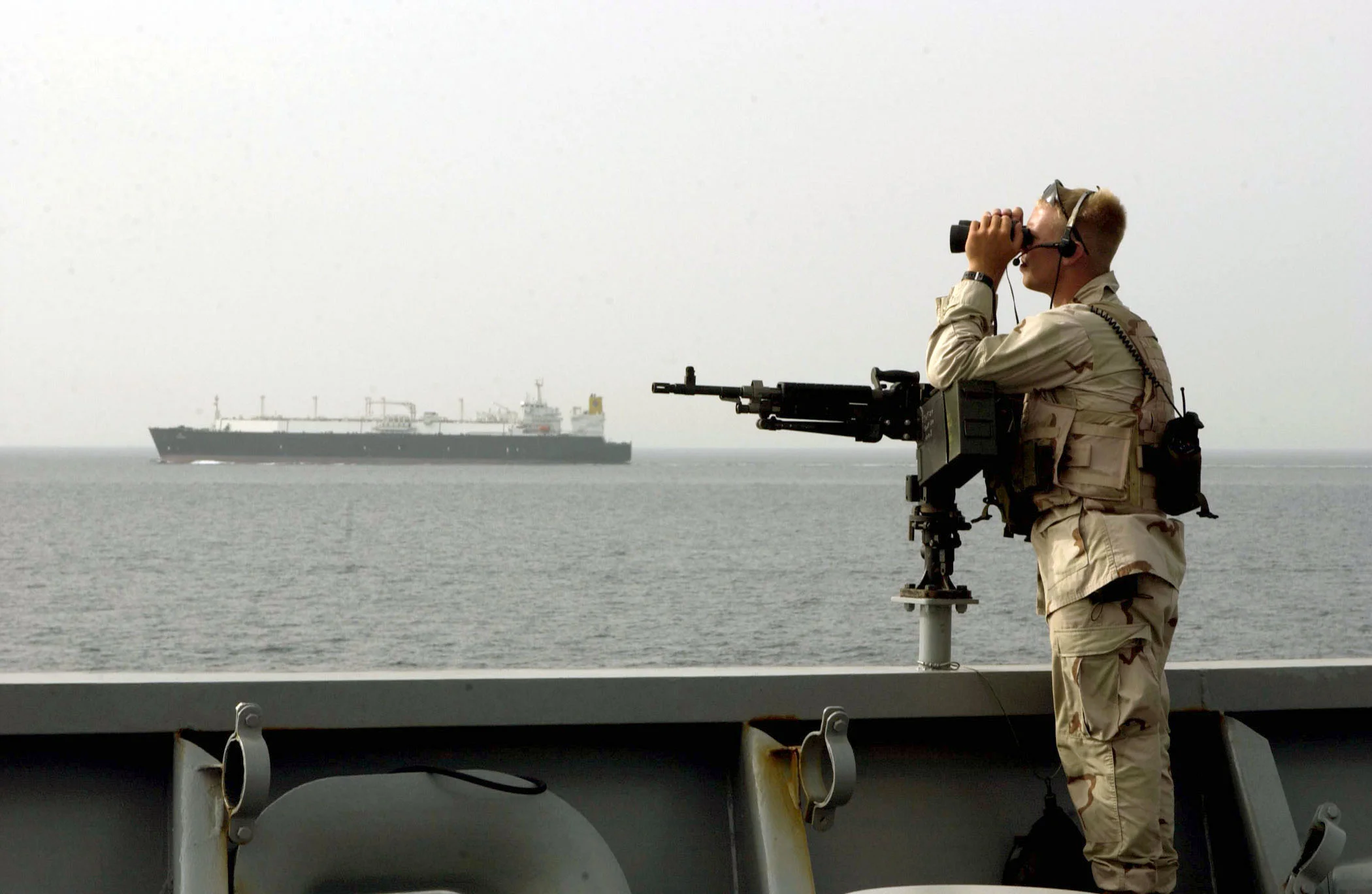
US Navy 050505-N-4309A-110 — Master-at-Arms Seaman Matthew Ramer, assigned to Mobile Security Detachment Two Four (MSD-24), stands watch as a tanker transits the Strait of Hormuz.
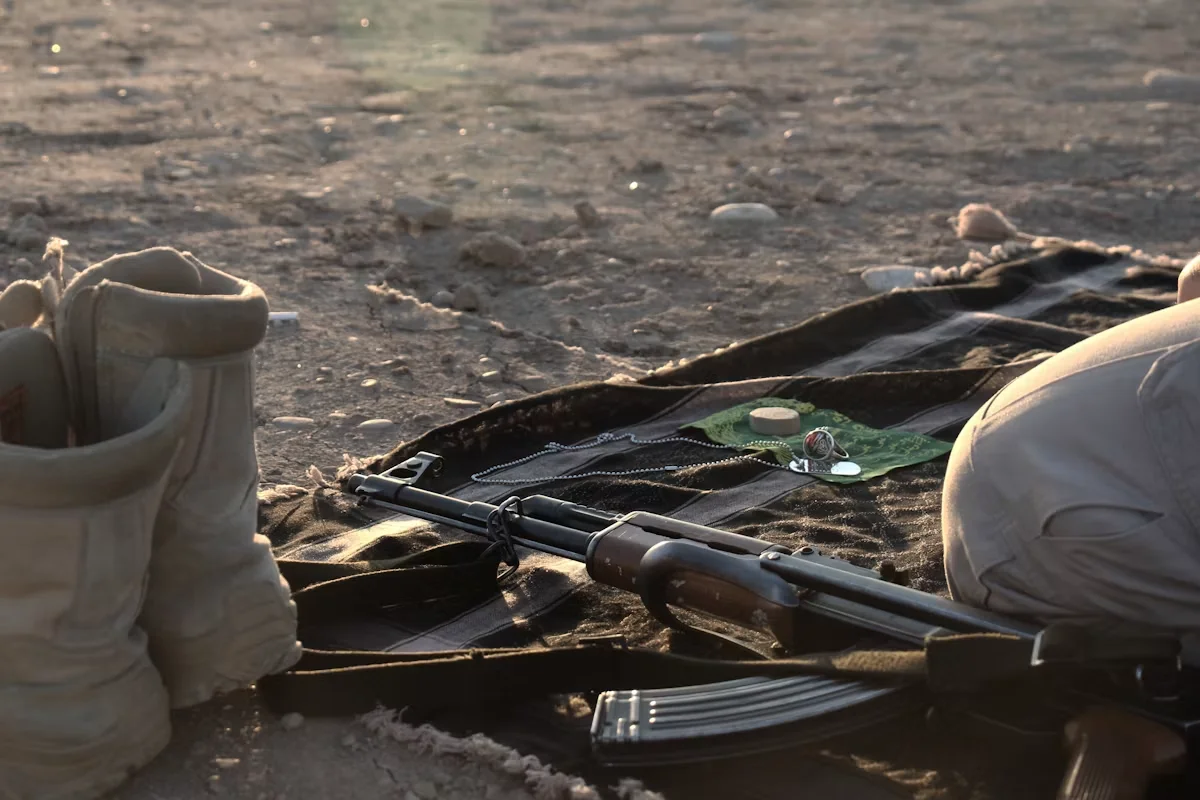
Combat boots, rifle, dog tags, and prayer stone on desert sand Photo by Mojtaba Taghizadeh on Unsplash
Tankers anchored in the Persian Gulf — Video: Pexels
Iran War — Peace Deal

Khamenei Funeral Freezes Diplomacy as Israel Plays Spoiler

Iran's six-day funeral for slain Supreme Leader Ali Khamenei has halted US-Iran indirect talks in Doha, with Iranian negotiators departed and mediators promising to reschedule. The pause comes after Doha talks on July 1-2 produced a joint Qatar-Pakistan statement of 'positive progress' but no substantive agreement. Meanwhile, the New York Times revealed US officials believed Israel was actively plotting to kill Iran's chief negotiators during the spring peace track — a report that, combined with fresh Israeli strikes on Hezbollah in Lebanon today, confirms Israel is working against the diplomatic process it is excluded from.
Bottom Line: The diplomatic track is fragile but structurally intact. The Doha talks produced process language, not substance — frozen asset figures, Hormuz sovereignty claims, and MOU implementation timelines remain unresolved. The funeral pause is manageable; the Israeli spoiler problem is not. The NYT report that Washington sent indirect warnings to Tehran that Israel might kill Araghchi and Ghalibaf is extraordinary: it means the US was simultaneously running a war with Israel and secretly protecting Iranian negotiators from its own partner. That tension has not gone away. Today's Israeli strikes on ten Hezbollah sites in southern Lebanon are a reminder that Netanyahu has his own agenda and the tools to act on it. The real test of this diplomatic track is whether Washington can keep Israel from burning it down.
Military Operations

CENTCOM Eyes Negev Relocation as Gulf Base Repair Bill Hits $400M

CENTCOM is weighing options to relocate US military bases from Gulf states to the Negev desert in Israel, according to multiple reports citing significant damage to existing facilities. Republic World cited 20 US military sites damaged by Iranian strikes — including NSA Bahrain — with estimated reconstruction costs of $400 million. The Jerusalem Post reported one option includes a new base or expansion of an existing Negev air force base. A second Marine Expeditionary Unit is now operating in the region alongside the 31st MEU (2,500 Marines), bringing total Marine presence to 4,500+. Iranian state media Mehr News framed the base relocation consideration as 'acknowledging a deterrence shift and greater US vulnerability' — standard regime spin, but the underlying damage figures, if accurate, are real.

Source: Jerusalem Post, Republic World, CNN, Mehr News Agency

IDF Strikes 10 Hezbollah Sites in Lebanon; Israel-Lebanon Framework Under Strain

The Israeli military announced Friday it struck approximately 10 Hezbollah infrastructure sites and a weapons-transfer truck in southern Lebanon, in retaliation for a Hezbollah attack on Israeli troops. A separate IDF operation on July 2 killed a Hezbollah operative emerging from a tunnel shaft inside the IDF's south Lebanon security zone. The strikes come despite a US-mediated Israel-Lebanon framework agreement signed in Washington in late June — the most significant political agreement between the two countries in decades — which conditions Israeli withdrawal from southern Lebanon on verifiable Hezbollah disarmament. FDD analysis warns the framework may fail if the third-party verification entity depends on Lebanese Armed Forces reporting, repeating the failures of UNSCR 1701.

Source: Gulf News, Washington Times, Times of Israel, Axios, FDD

NYT: US Warned Iran That Israel Plotted to Kill Its Negotiators

The New York Times reported July 2-3 that US officials believed Israel was plotting to kill Foreign Minister Abbas Araghchi and Parliament Speaker Mohammad Bagher Ghalibaf during ceasefire negotiations in spring 2026. US officials acknowledged both men could be considered 'legitimate targets by Israel as it sought to topple Iran's hardline government.' Washington sent indirect warnings to Tehran to take precautions. Israel's strategy from the outset prioritized killing senior Iranian leaders; US strikes focused on Iran's navy and missile forces. A US official confirmed talks continue, noting Witkoff and Kushner had 'productive meetings in Qatar' and that Trump wants the peace process 'to play out.' The Washington Post corroborated the report the same day.

Source: NYT, Washington Post, Times of Israel
Diplomacy & Negotiations

Doha Talks Produce Process Language, Not Substance; Talks Now Paused for Funeral

US and Iranian delegations held indirect, lower-level technical talks in Doha on July 1-2, the second round since the June 17 Islamabad MOU. Qatar and Pakistan issued a joint statement citing 'positive progress on issues related to the Islamabad MOU, building on the outcomes of the Lake Lucerne discussions.' Key agenda items included release of approximately $6 billion in frozen Iranian assets held in Qatari banks (part of ~$12 billion total blocked), and Iran's demand for US recognition of Iranian sovereignty over the Hormuz traffic separation scheme. Parliament Speaker Ghalibaf claimed the MOU entitles Iran to retrieve half of $24 billion in frozen assets usable 'at any price, in any currency.' Trump described negotiations as 'progressing well.' Iranian negotiators have now departed Doha for the duration of Khamenei's six-day funeral; mediators say talks will resume 'at the earliest possible time.'

Source: CNN, Al Jazeera, Daily Pakistan, ISW

Mojtaba Khamenei Skips Father's Funeral — Health Questions Mount

Iran's Supreme Leader Mojtaba Khamenei is not attending his father's state funeral, per NBC News citing three sources. He was 'severely injured in the same US-Israeli strike on a government residence in Tehran' on February 28 that killed Ali Khamenei. He has not appeared publicly since — communicating only through written statements and audio recordings. His representative to India formally confirmed his non-attendance Thursday. The six-day funeral opened Friday at the Imam Khomeini Grand Mosalla with international delegations including Russian emissary Dmitry Medvedev, received by President Pezeshkian and FM Araghchi. The absence of the sitting Supreme Leader from his own father's funeral is without precedent in the Islamic Republic's history and raises direct questions about his capacity to govern.

Source: NBC News, AP News, The Guardian, Al Jazeera, CBS News

US Resumes Dollar Shipments to Iraq, Easing Pressure Campaign

The US resumed air shipments of dollars to Iraq after a months-long suspension begun in April 2026, which was designed to pressure Baghdad to distance itself from Tehran. Spokesman Haider al-Aboudi confirmed: 'The dollar shipments to Iraq have resumed — the problem has been resolved.' The resumption coincided with US Special Envoy Tom Barrack's visit to Baghdad and the broader US-Iran diplomatic track, signaling Washington is relaxing economic pressure on Iran's regional partners as part of the Islamabad MOU implementation.

Source: NYT, The National, Reuters
Inside Iran

Student Protests Erupt at Three Universities Amid Exam-Period Crackdown

Coordinated student protests broke out at Islamic Azad University campuses in Tehran, Karaj, and Ahvaz on June 30–July 1, triggered by sudden mandatory in-person exam requirements, compressed schedules, and collapsing educational infrastructure — all imposed mid-exam period. Sources are NCRI and opposition-linked outlets, which are directionally credible given Iran's documented protest patterns but require corroboration on specifics. The protests follow the January 2026 uprising that security forces suppressed at extreme cost. University unrest is historically a leading indicator of broader mobilization in Iran.

Source: NCRI, Iran News Update, Mojahedin.org

Executions Accelerate; Political Prisoner Sentenced to Death as IRGC Battles Kurdish Insurgency

Executions were reported in Sari, Ahvaz, Qom, Kermanshah, Semnan, Yasuj, and Gorgan within days, per NCRI. Political prisoner Arghavan Fallahi, 25, a documented MEK supporter, was sentenced to death July 1. A separate prisoner was executed in Sanandaj Central Prison after 18 years on death row. MEK supporters are marking their 127th consecutive week of 'No to Execution Tuesdays' across 57 Iranian prisons. Simultaneously, ten Kurdish fighters — six PDKI Peshmerga and four PJAK fighters — were killed in separate IRGC clashes near Mahabad, Sardasht, and Piranshahr on July 1-2. The IRGC conducted follow-on missile and drone strikes targeting Kurdish militias near Erbil and Sulaymaniyah in Iraqi Kurdistan on July 2. Note: NCRI and KHRN are opposition-linked; execution figures are consistent with Iran's documented escalation pattern during internal crises but specific numbers require independent corroboration.

Source: NCRI, KHRN, Fox News, RFE/RL, ISW, Newsweek

Economic Collapse Deepens: Chemo Costs Up Tenfold, Healthcare Inflation at 23%

Iran's economy remains in severe distress with no sign of stabilization. Chemotherapy cycle costs rose from approximately 70 million rials two years ago to 700 million rials — a tenfold increase — as the foreign currency allocation for medicine imports was cut from $3.5 billion to $3 billion, pushing patients toward illegal sellers and counterfeit drugs. Healthcare inflation ran at 23.1% in May and 8.6% in June per NCRI. The broader currency collapse and soaring inflation predate the war and have been compounded by it. NBC News reported July 3 that 'ordinary Iranians are struggling with a much more basic issue: making ends meet' as officials negotiate frozen asset releases. Intelligence gap: NCRI reports nationwide internet shutdowns are ongoing, but no independent technical verification from Tier 1 monitors (NetBlocks, Cloudflare Radar) is available in current reporting.

Source: NCRI, NBC News, Iran International
Regional Impact

Saudi Oil Exports Approach Pre-War Levels; Gulf Crude Surge Caps Prices

Saudi Arabia shipped 34 million barrels of crude through the Strait of Hormuz between June 17 and July 1, per Kpler data — compared to just 15 million barrels shipped through the strait during the entire March 9–June 17 period. Eleven supertankers bound for the Kingdom entered the Gulf between June 23 and July 1; eight loaded and five have already exited. Aramco is making rare spot sales as Gulf crude exports hit a post-war peak. At least 250 commercial vessels transited Hormuz last week, up from 138 the prior week. War risk insurance premiums have halved in six days. The supply surge is a direct factor in oil's fourth consecutive weekly decline.

Source: Bloomberg, CNBC, Kpler, CNN, MarineTraffic, Insurance Business

Damascus Cafe Bombing Kills 6-10, Including Six Lawyers; Syria Security Remains Fragile

An IED detonated at a cafe near the Palace of Justice in Damascus's al-Hijaz district, killing between 6 and 10 people — reports vary — and wounding 22. At least six lawyers were among the dead. Funerals were held July 3. The Arab Parliament, Jordan, Qatar, Egypt, and Iraq condemned the attack. No group has claimed responsibility. Syria's new government is battling to impose basic security. Separately, the Middle East Council on Global Affairs reports intensifying Israeli-Turkish rivalry centered in Syria is 'becoming increasingly difficult to contain.' Death toll discrepancy flagged in contradictions.

Source: Al Jazeera, Washington Post, Middle East Council on Global Affairs

NATO Summit Opens Monday in Ankara With Trump Attending Amid European Security Uncertainty

The NATO Summit is scheduled for July 7-8 in Ankara. The draft declaration text affirms 'ironclad commitment to collective defence' and 'an attack on one is an attack on all.' Trump is confirmed to attend. The summit occurs amid planned US force drawdowns from Germany and what the Modern War Institute at West Point describes as 'increasingly uncertain signals about US long-term role in European security.' Turkish opposition leader Kılıçdaroğlu said July 2 that Türkiye 'must not become a part of any global rivalry' — a signal of domestic political pressure on Erdoğan's NATO hosting role. The backdrop includes Russia's deadliest strike on Kyiv this year on July 3: hundreds of drones and missiles, at least 27-30 killed.

Source: NATO.int, US News, Hürriyet Daily News, Modern War Institute, The Guardian, Sky News
Conflicting Reports — Read Critically

Oman Strait of Hormuz Fee Proposal

NYT Tier 1 wire/newspaper Oman delivered a formal proposal for shipping companies to pay 'service fees' of approximately $1/barrel (~$2M per supertanker) to transit the strait
Omani Foreign Minister Sayyid Badr bin Hamad Al Busaidi via CNBC Official government statement Oman does not support imposing fees on ships to transit the Strait of Hormuz

Assessment: Direct contradiction between a named NYT report of a formal Omani proposal and an on-record denial by Oman's own Foreign Minister. CNBC describes this as Oman using 'strategic ambiguity.' One interpretation: Oman floated the idea through back channels and is now publicly distancing. Neither claim can be fully reconciled with the other. Watch for third-party confirmation of whether the proposal was formally transmitted.

Damascus cafe bombing death toll

Al Jazeera (July 3, later report) International wire 10 killed, including 6 lawyers
Syria state media SANA (early report) State media 4 killed, 10 injured

Assessment: Classic pattern of early undercounting by state media as casualty figures rise with rescue operations. Later independent reporting (Al Jazeera, Washington Post) converges on 6-10 killed. SANA's early figure is almost certainly an undercount. Current best estimate: 6-10 dead, 22+ wounded.

Iranian state media false ship claim in Hormuz

IRIB Iranian state television Iranian state media A 'foreign ship' got stuck in the Strait of Hormuz after rejecting IRGC navy orders
AP News fact check Tier 1 wire service, independent verification Marine tracking data shows the vessel is linked to the Iranian regime itself — not a foreign ship

Assessment: AP's fact check is definitive. Iranian state television fabricated a foreign ship incident to bolster Tehran's Hormuz sovereignty claims. This is straightforward propaganda, independently debunked by vessel tracking data. All Iranian state media claims about Hormuz incidents should be treated as unverified until confirmed by Tier 1 sources or shipping trackers.

Analysis

The Funeral Pause Is Fine. Israel Is the Real Problem.

The six-day funeral pause in Doha talks is an inconvenience, not a crisis. The Islamabad MOU framework is intact, Qatar and Pakistan remain engaged, and the July 1-2 talks produced the kind of cautious-positive language that precedes actual negotiations. The July 19 deadline for full US naval blockade lift is already met. The real structural problem is Israel, and the NYT report makes it impossible to ignore. Washington was simultaneously coordinating strikes with Israel and secretly warning Tehran that its own partner might assassinate Iran's negotiators. That is not a stable diplomatic architecture — it is a contradiction that will eventually force a choice. So far, Trump appears to be managing it by keeping Israel occupied with Lebanon while running a separate channel with Iran through Witkoff and Kushner. That works until it doesn't.

On Hormuz: Iran's fresh warning that 'any US interference' will meet a 'decisive response,' combined with its demand that vessels use Tehran-designated routes, is pressure tactic, not escalation. The market has already delivered its verdict on Hormuz as a leverage instrument — crude is in the low $70s with Gulf exports surging and war risk insurance premiums halving. Iran knows this. The real leverage Iran retains is its demonstrated ability to put rockets and drones into Gulf oil production infrastructure — Saudi fields, Kuwaiti facilities, UAE energy sites — and that capability hasn't been destroyed. The ceasefire holds because Gulf states know Iran can turn the lights off on their oil exports, not because anyone fears a Hormuz closure.

The wildcard nobody is discussing adequately is Mojtaba Khamenei. A Supreme Leader who cannot appear in public, who missed his own father's funeral, who communicates only through written statements and audio recordings four months after being injured — that is a regime with a leadership vacuum at the top of its power structure. Pezeshkian and Ghalibaf are filling the space, but the IRGC answers to the Supreme Leader, not the president. If Khamenei's physical condition is worse than Tehran is admitting — and the funeral absence suggests it may be — then every commitment made in Doha has a legitimacy question attached to it. That is the intelligence gap that matters most right now.

What We Don't Know
  • Mojtaba Khamenei's actual medical condition and functional capacity to govern — regime is actively concealing this
  • Iran's remaining missile and drone inventory after 7,000+ CENTCOM target strikes — no current assessment available
  • Identity of the third-party verification entity in the Israel-Lebanon framework agreement — not publicly disclosed
  • Whether Oman's Hormuz fee proposal was formally transmitted to shipping companies or remains a back-channel concept
  • Current status of Baluch and Azeri unrest — minimal reporting; unclear if reflecting genuine quiet, suppression, or access denial
  • Independent technical verification of Iran's reported nationwide internet shutdowns — no Tier 1 monitor data (NetBlocks, Cloudflare) in current reporting cycle
  • Frozen asset release mechanics: whether the ~$6B in Qatari-held funds can actually be transferred under existing US sanctions architecture without new Congressional authorization
Sources
  1. AP News
  2. Reuters
  3. Bloomberg
  4. NYT
  5. CNN
  6. Washington Post
  7. Al Jazeera
  8. NBC News
  9. The Guardian
  10. ISW
  11. CNBC
  12. Times of Israel
  13. Jerusalem Post
  14. Kpler
  15. NCRI
  16. KHRN
  17. RFE/RL
  18. Axios
  19. FDD
  20. Newsweek