DIGITAL NEWS USA

July 2, 2026 1:57 PM ET
Daily Intelligence Briefing
Brent Crude
$70.74
-1.0%
WTI Crude
$67.67
-1.3%
S&P 500
7,483
-0.2%
War Day
124
Since Feb 28
Doha Talks End With One Real Win and One Ugly Fight Over Frozen Money Photo: US Department of Defense / DVIDS
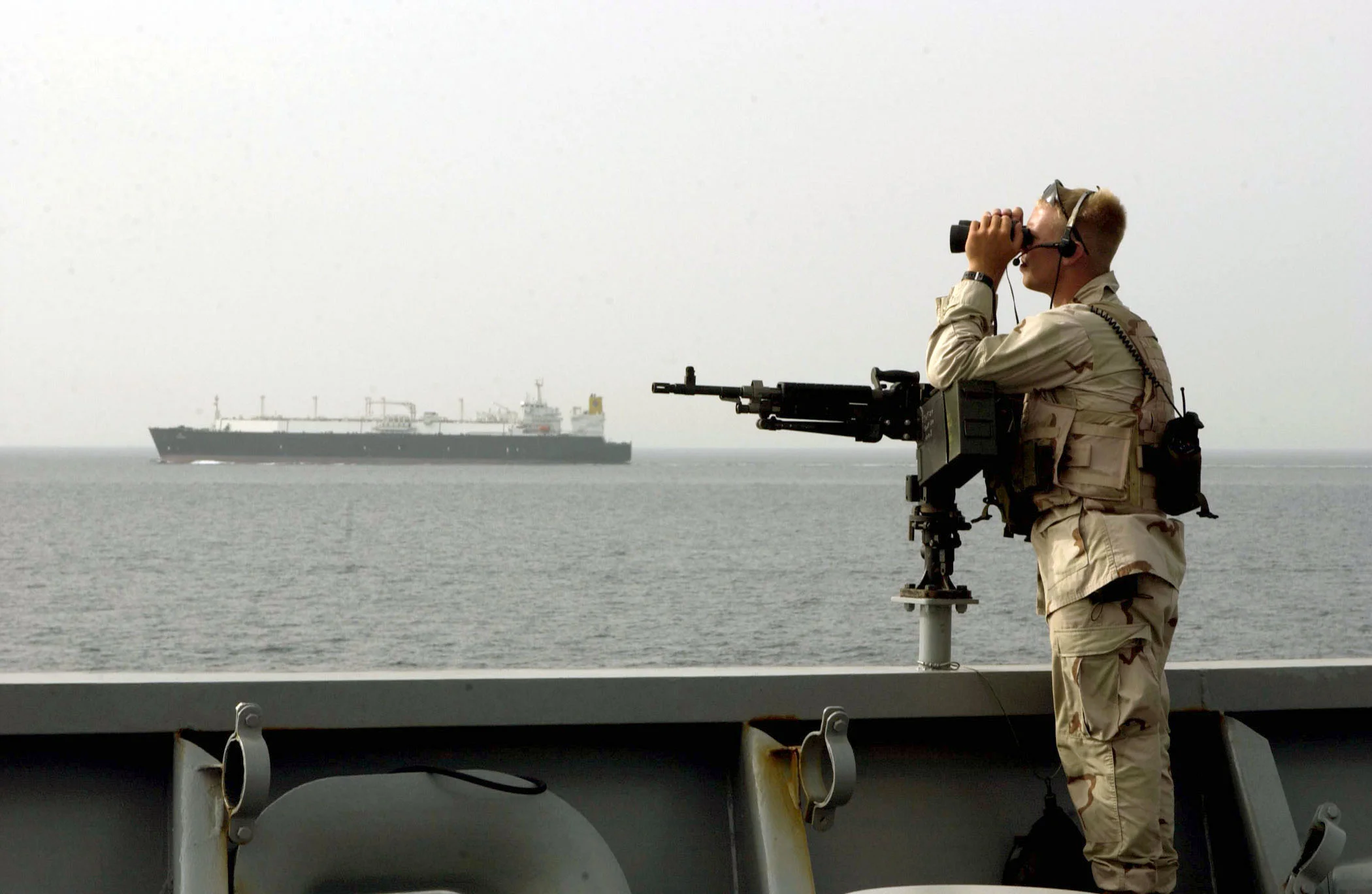
US Navy 050505-N-4309A-110 — Master-at-Arms Seaman Matthew Ramer, assigned to Mobile Security Detachment Two Four (MSD-24), stands watch as a tanker transits the Strait of Hormuz.
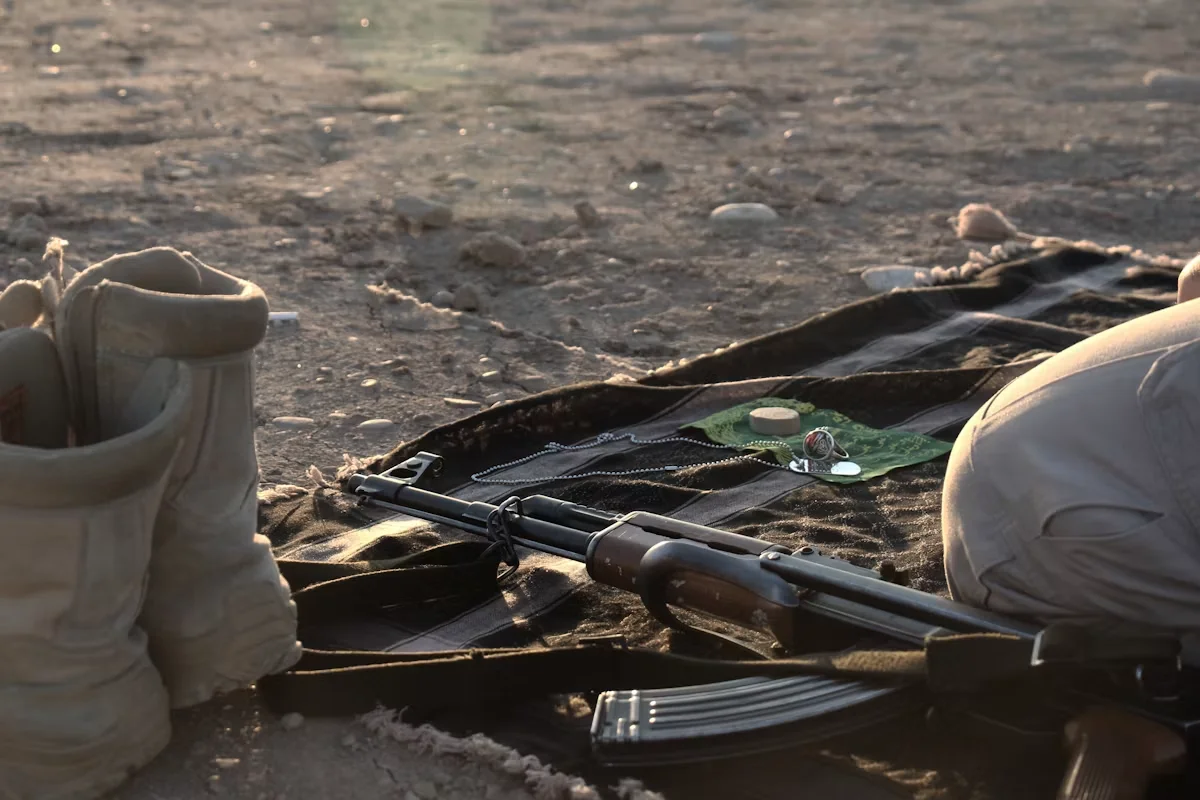
Combat boots, rifle, dog tags, and prayer stone on desert sand Photo by Mojtaba Taghizadeh on Unsplash
Tankers anchored in the Persian Gulf — Video: Pexels
Iran War — Peace Deal

Doha Talks End With One Real Win and One Ugly Fight Over Frozen Money

Indirect US-Iran technical talks wrapped in Doha Wednesday with Qatar and Pakistan brokering a deal on a joint violation-reporting channel — the first concrete implementation mechanism from the June 17 Islamabad MOU. But the talks immediately produced a public contradiction: Iranian officials claimed a deal on partial release of $24 billion in frozen assets; US officials flatly denied any such understanding was reached. The next round of talks is on hold until after Ayatollah Khamenei's state funeral concludes July 9.
Bottom Line: The communication channel agreement is real and useful — it gives both sides a structured way to flag MOU violations without defaulting to military escalation every time something goes wrong. Everything else out of Doha is noise. The frozen assets contradiction is classic diplomatic theater: Iran needs a domestic win and is claiming one loudly; the US won't confirm anything it hasn't formalized. The more consequential development is what isn't moving — Iran's parliament speaker publicly barred IAEA inspectors from Fordow, Natanz, and Isfahan on the same day his delegation was sitting at the peace table in Doha. That is not a negotiating posture; that is a hard constraint from a regime in the middle of a succession crisis, trying to hold its nuclear program as an untouchable asset. Any framework that doesn't crack that open isn't a deal — it's a pause.
Military Operations

Iran Issues Formal Route Warning for Hormuz Tankers

Iran's joint military command issued a formal warning Thursday morning that all oil tankers transiting the Strait of Hormuz must use Tehran-approved routes or face a 'forceful response.' The Joint Maritime Information Center (JMIC) raised the maritime security threat level in the Strait to 'substantial.' Commercial shipping continues to move through both the southern Omani corridor and the northern Iranian-controlled route. MarineTraffic data cited by CNN shows at least 35 commercial vessels transited in the past 24 hours — consistent volume, but well below pre-war levels. Iranian state media separately claimed a foreign container ship ran aground for not using the approved route; no ship name, flag state, or operator was provided and no independent source has confirmed the incident.

Source: AP, July 2, 2026; Washington Post, July 2; CNN, July 1; Gulf News, July 2; JMIC via Gulf News, July 2

US Navy Helicopter Crew Member Still Missing After Arabian Sea Emergency Landing

A US Navy MH-60S Sea Hawk helicopter assigned to the USS George H.W. Bush made an emergency water landing in the Arabian Sea at approximately 3:30 AM ET on Wednesday, July 1. Three of four crew members were recovered and are in stable condition. One crew member remains missing; search and rescue operations are ongoing. The Navy stated there is 'no evidence of hostile action.' If the missing sailor is not recovered, this becomes the first US Navy combat-zone aviation fatality since the war pause began.

Source: US 5th Fleet statement, July 1; USNI News, July 1; The War Zone, July 1; Stars and Stripes, July 1; ABC News, July 2

Iran Bars IAEA Inspectors from Nuclear Sites on Day of Peace Talks

Iranian Parliament Speaker Mohammad Bagher Ghalibaf told state TV on July 2 that IAEA inspectors will not be permitted access to Fordow, Natanz, or Isfahan nuclear sites 'under any circumstances,' citing parliamentary law. Ghalibaf claimed only the Supreme National Security Council — not parliament — can authorize inspections, framing the restriction as a constitutional matter. This declaration came while Iranian diplomats were simultaneously participating in technical talks in Doha aimed at implementing the June 17 ceasefire framework. The timing is not coincidental: the IRGC and hardline factions are using the succession moment to lock down the nuclear program before any deal constrains it.

Source: Hindustan Times, July 2; i24NEWS, July 2
Diplomacy & Negotiations

Doha Talks Deliver Violation-Reporting Channel; Asset Deal Disputed

Indirect US-Iran talks concluded in Doha on July 1 with Qatar and Pakistan shuttling between delegations. The confirmed outcome: an agreement to establish a joint communication channel by July 2 to record and report violations of the June 17 Islamabad MOU. Qatar and Pakistan issued a joint statement citing 'positive progress building on the outcomes of the Lake Lucerne Summit.' Iran's Deputy Foreign Minister Gharibabadi and Parliament Speaker Ghalibaf separately claimed the talks also produced an agreement on partial release of frozen Iranian assets — specifically, that Iran would retrieve half of its $24 billion in frozen funds. US officials denied any such understanding was reached and said no funds have been released. President Trump called the meetings 'very good' and Vice President Vance said talks are 'going well.' The next round will not convene until after Khamenei's funeral, no earlier than July 9.

Source: Times of Israel, July 2; Axios, July 1; The National, July 2; ISW, July 1; India Today, July 2; CBS News, July 1; AP, July 1; CNN, July 1

US-Saudi Rift Deepens: Riyadh Blocks Base Access, Washington Eyes Troop Pullback

Saudi Arabia refused US requests to use its bases and airspace for Operation Project Freedom, the Strait of Hormuz escort operation, catching CENTCOM off guard. The US is now actively considering reducing its military footprint in Saudi Arabia, described by sources as the largest rupture in the bilateral relationship in years. Secretary of State Rubio skipped Saudi Arabia on his Gulf tour — a deliberate diplomatic signal. Saudi Arabia has expended approximately 2,400 interceptor missiles since March, leaving an estimated 400 remaining. Crown Prince MBS is simultaneously pursuing Pakistani-mediated back-channel reconciliation with Tehran, which puts Riyadh on a track parallel to — and not fully coordinated with — Washington. A Middle Eastern intelligence source told the NYT that Riyadh has 'massive blowback for the rest of the region' concerns.

Source: NYT, July 1; WSJ via Times of Israel, July 1; Israel Hayom, July 1; The News (Pakistan), July 1; Pravda USA, July 2

Lebanon Framework Frays as Israel Keeps Operating, Iran Raises It in Doha

Despite the June 26 US-brokered trilateral framework agreement between Israel, Lebanon, and the US — which established a phased Israeli withdrawal alongside Hezbollah disarmament and Lebanese Armed Forces deployment — Israeli forces continued drone strikes and demolitions in southern Lebanon through July 1-2. Defense Minister Katz said Israeli forces would remain 'until further notice' in security zones in Lebanon, Syria, and Gaza. Israeli PM Netanyahu visited troops in the southern Lebanon security zone Tuesday, telling them the military would stay 'for the foreseeable future.' Iranian negotiators in Doha raised Israel's continued military presence as an apparent MOU violation. Lebanon's National News Agency reported an Israeli drone struck Ghandour Hospital in Nabatieh al-Fawqa on July 2.

Source: Times of Israel, July 1-2; FDD Overnight Brief, July 1; The Hindu, July 2; Dawn live blog, July 2; Times Now, July 2
Inside Iran

Khamenei Funeral Begins Friday; New Supreme Leader Won't Attend Due to Security Threat

Ayatollah Ali Khamenei's state funeral begins Friday, July 3, in Tehran and runs through July 9 across Iran and Iraq. Mojtaba Khamenei, the new Supreme Leader, will not attend his own father's funeral due to 'security risks,' according to an aide — a detail that speaks directly to how vulnerable the regime considers its leadership transition. Giant portraits hang from Tehran's Grand Mosalla; the regime expects tens of millions of mourners. Sixty of 88 Assembly of Experts members issued a 10-point statement on June 28 warning negotiators not to violate Mojtaba's 'red lines.' An IRGC-linked figure, Kavakebian, was reported by NCRI as claiming authorities would 'create circumstances that would provoke an attack' — suggesting factions within the regime may actively seek to reignite the war to consolidate domestic support around the new leadership. That claim should be taken seriously, not dismissed: a manufactured provocation during a funeral week, when international attention is focused elsewhere, is precisely the kind of move a cornered faction makes.

Source: NYT, July 2; AFP/BSS, July 1; The Hill, July 2; India Today, July 2; NCRI, July 2; RFE/RL, July 2026; ISW, July 1

Kurdish Insurgency Claims Two IRGC Kills; Police Attacked Across Western Iran

A newly emerged group called Xore Heva (Sun of Hope) claimed a June 28 targeted armed raid in Paveh, Kermanshah Province, killing two IRGC operatives. The group said the attack was retaliation for the crackdown on protests following Mahsa Amini's death. Separately, gunmen attacked a police checkpoint in Baneh, killing two police officers and injuring three others including a three-year-old girl. Clashes spread to Paveh, Marivan, and Mahabad. Kurdish factions are assessed as the most organized insurgent forces operating inside Iran, with major parties united under the Coalition of Political Forces of Iranian Kurdistan. The succession crisis is creating openings: a regime distracted by internal power struggles and international negotiations is less able to mount sustained counterinsurgency operations in the west.

Source: Newsweek, July 2026; NCRI, July 2; yourNEWS, July 2; WFIN/Fox World News via Jerusalem Post

Student Protests Resume; Political Prisoners Mark 127 Consecutive Weeks of Hunger Strikes

Coordinated student demonstrations resumed across Iranian universities during the final exam period, with slogans urging students to 'raise their voices and demand their rights.' A protest planned in Shiraz was canceled hours before it was set to begin on July 2. Political prisoners in 57 prisons across Iran continued their weekly hunger strike on June 30, marking the 127th consecutive week of the 'No to Executions Tuesdays' campaign. The IRGC is simultaneously moving to seize St. Peter Evangelical Church in Tehran — Iran's oldest Protestant church — having demolished the Evangelical Church of Mashhad on June 4. The ADL condemned the escalating campaign against Protestant Christian communities on July 1. Iranian state-run media reported that hyperinflation and currency shortages have driven medical costs to 'astronomical heights,' with patients pushed toward counterfeit drugs and illegal sellers. INTELLIGENCE GAP: No specific July 2026 reporting was identified on Arab unrest in Khuzestan or Azeri unrest; absence of reporting from these historically volatile regions during a succession crisis is itself a signal worth monitoring.

Source: Iran News Update, July 2; WNCRI, July 1; NCRI, July 2; ADL, July 1; Iran International, July 1; Donya-e-Eqtesad via NCRI
Regional Impact

Gaza: 1,000 Days, 90% Destroyed, Life Expectancy at 40

July 2, 2026 marks 1,000 days since the Hamas-led October 7, 2023 attack on Israel. Current assessments: 90% of Gaza destroyed, 80% under Israeli military control, 68 million tonnes of rubble, entire population displaced, and life expectancy fallen to approximately 40 years. Israeli forces are expanding the 'Yellow Line' using incendiary munitions and cement blocks to mark further territorial control. The IDF reported eliminating a militant threatening troops in an aerial strike on July 1. Demonstrations took place outside the Israeli Knesset marking the milestone.

Source: Al Jazeera, July 2; AP, July 2; UN News, July 2026; Times of Israel, July 1

Russia Launches Largest Attack on Kyiv Since Invasion; 21 Killed, 80+ Wounded

Russia struck Kyiv with its largest attack since the invasion began, killing at least 21 people and wounding more than 80 in an 11-hour assault overnight July 1-2 using ballistic missiles and drones. An apartment block was partially destroyed. Poland scrambled fighter jets and Finland restricted airspace. Ukraine simultaneously reported shooting down 419 Russian drones across Russia and Crimea in a counter-operation. A CSIS study released July 1 estimated Russia's war has caused more than 2 million total military casualties: Russian fatalities at 250,000-300,000 out of 1.1-1.4 million casualties; Ukrainian fatalities at 125,000-150,000 out of 525,000-625,000.

Source: NYT, July 2; Guardian, July 2; CNN, July 2; CNBC, July 2; CSIS study via Guardian, July 1

Iraq PM's Anti-Corruption Push Stalls as Iran-Backed Militias Remain Untouched

Iraqi PM Ali al-Zaydi's anti-corruption campaign has stalled against resistance from Shia Coordination Framework leaders who are refusing to allow the arrest of senior Iranian-backed militia figures. As of July 1, no militia-affiliated individuals have been arrested despite documented corruption ties. The new PM separately told a visiting GCC chief that Iraq is 'keen to rebuild ties with Gulf states' — a statement that rings hollow while Iraqi territory continues to serve as a launchpad for Iranian-aligned factions that previously fired on those same Gulf states. The PUK has been accused of functioning as Iran's arm in the Kurdish region; the KDP boycotted the April 2026 vote that elected President Amedi.

Source: ISW, July 1; Jerusalem Post; The National, July 1; Gateway Pundit, July 2026
Conflicting Reports — Read Critically

Doha frozen assets agreement

Iranian Deputy FM Gharibabadi and Parliament Speaker Ghalibaf Iranian government officials (public statements) An agreement was reached on partial release of frozen Iranian funds; the MOU stipulates Iran will retrieve half of its $24 billion in frozen financial assets.
US officials via Axios, Times of Israel, The National US government (background briefings to journalists) No such understanding was reached and no funds have been released as of July 2.

Assessment: Iran is claiming a domestic political win it may not yet have secured. The US denial is firm and comes from multiple outlets simultaneously — this isn't a miscommunication, it's a contradiction. Iran's public framing serves Mojtaba Khamenei's need to show the succession hasn't weakened Iran's negotiating position. The US won't confirm anything it hasn't formalized, particularly on sanctions relief, where congressional constraints apply. Monitor for concrete asset movements in European or Asian financial institutions as the only way to resolve this empirically.

Saravan shooting victims' identities

Iranian state TV State media (government-controlled) A random shooting on a civilian family — father killed at scene, wife later died of wounds.
Hengaw human rights organization via Breitbart Iranian Kurdish human rights monitor Victims were an IRGC member and his daughter, not random civilians.

Assessment: Iranian state TV has a consistent pattern of downplaying IRGC targeting by framing attacks as random criminal violence. Hengaw has an established track record on Kurdish and minority issues in Iran and is generally credible on ground-level reporting. The IRGC member framing is more plausible — a 'random' shooting near an IRGC post in a restive border province during an active insurgency is not random.

Iranian claim of foreign ship grounding in Hormuz

Iranian state media State media (government-controlled) A foreign container ship ran aground in the Strait of Hormuz after failing to use Tehran's approved route.
MarineTraffic, Lloyd's List, Tier 1 maritime sources Independent maritime tracking No independent confirmation. No ship name, flag state, or operator provided.

Assessment: This is Iranian propaganda until independently confirmed. The timing — issued the same day Iran formally warned tankers to use approved routes or face a 'forceful response' — makes it transparently designed to reinforce compliance pressure. A real grounding involving a named commercial vessel would be impossible to suppress in Lloyd's List, MarineTraffic, or P&I club reporting. The absence of any verifiable detail is the tell.

Analysis

The Succession Crisis Is Now the War's Central Variable

Everything happening this week flows from one fact: Iran is in the middle of a leadership transition with no proven successor, a war it didn't fully win, an economy in freefall, and three active insurgencies on its western and eastern borders. Mojtaba Khamenei can't attend his own father's funeral for security reasons. That is not a detail — that is the strategic situation in a single sentence. The regime that launched Operation True Promise IV in February is not the same regime sitting at the table in Doha in July. It's weaker, more fractured, and more dangerous in the specific way that cornered institutions become dangerous: factions within it have incentives to blow up the peace process.

The Doha talks produced one real deliverable — a violation-reporting channel — and one piece of theater, the frozen assets claim. The channel matters because without a structured mechanism to flag and dispute MOU violations, every incident becomes a potential trigger for resumed hostilities. The frozen assets dispute is noise, but instructive noise: Iran needs to show its public that the ceasefire is producing economic relief, and it's willing to claim victories that haven't materialized yet. The US denial is equally political — no administration wants to be seen releasing sanctions relief before nuclear verification is on the table, and the IAEA ban announcement from Ghalibaf makes that sequencing politically toxic in Washington.

The US-Saudi rupture is the story that hasn't received enough attention. Riyadh refusing base access for Hormuz escort operations isn't just a bilateral friction point — it's Saudi Arabia signaling that it is no longer willing to be a passive participant in a US-led confrontation with Iran. MBS has burned through most of his interceptor stockpile defending against Iranian strikes that Washington's war triggered. He watched his own infrastructure come under sustained attack for months. His back-channel to Tehran through Pakistan isn't disloyal to Washington; it's a rational hedge by a leader who understands that the next war could leave Saudi Arabia with no air defense and no US cavalry. Washington needs to treat that calculation seriously, because if the US-Saudi defense architecture collapses, Iran's strike capability against Gulf oil production infrastructure — the real leverage that has kept this war from going full escalation — becomes far more consequential.

What We Don't Know
  • Whether the joint violation-reporting communication channel was actually operationalized by July 2 as Gharibabadi promised — no confirmation as of this briefing
  • Status of the missing US Navy MH-60S crew member — search ongoing, outcome unknown
  • Whether the IAEA nuclear site access ban is a formal parliamentary decree or a political statement by Ghalibaf that could be walked back by the Supreme National Security Council
  • Concrete status of any frozen Iranian asset movements in European or Asian financial institutions — the only empirical test of the Doha frozen assets claim
  • No reporting identified on Arab unrest in Khuzestan or Azeri unrest in northwestern Iran during the succession period — absence of reporting from historically volatile regions is itself a gap
  • The identity and command structure of the newly emerged Kurdish group Xore Heva — whether it is a new formation or a rebranded existing faction
  • Whether the IRGC-linked claim that regime factions would 'create circumstances to provoke an attack' reflects an operational plan or internal posturing — cannot be verified from open sources
Sources
  1. AP
  2. Axios
  3. Times of Israel
  4. The National
  5. ISW (Institute for the Study of War)
  6. NCRI (National Council of Resistance of Iran)
  7. CNN
  8. NYT
  9. USNI News
  10. The War Zone
  11. Al Jazeera
  12. Gulf News
  13. Hindustan Times
  14. i24NEWS
  15. India Today
  16. RFE/RL
  17. Newsweek
  18. ADL
  19. Iran International
  20. CBS News
  21. Washington Post
  22. The Guardian
  23. CNBC
  24. Stars and Stripes
  25. FDD Overnight Brief
  26. Hengaw
  27. Iran News Update
  28. WSJ
  29. CSIS
  30. MarineTraffic