DIGITAL NEWS USA

June 30, 2026 9:34 PM ET
Daily Intelligence Briefing
Brent Crude
$72.92
-1.0%
WTI Crude
$70.65
+0.2%
S&P 500
7,499
+0.79%
War Day
122
Since Feb 28
Doha Talks Proceed in Shadow Format — US and Iran Can't Agree on Whether They're Even Talking Photo: US Department of Defense / DVIDS
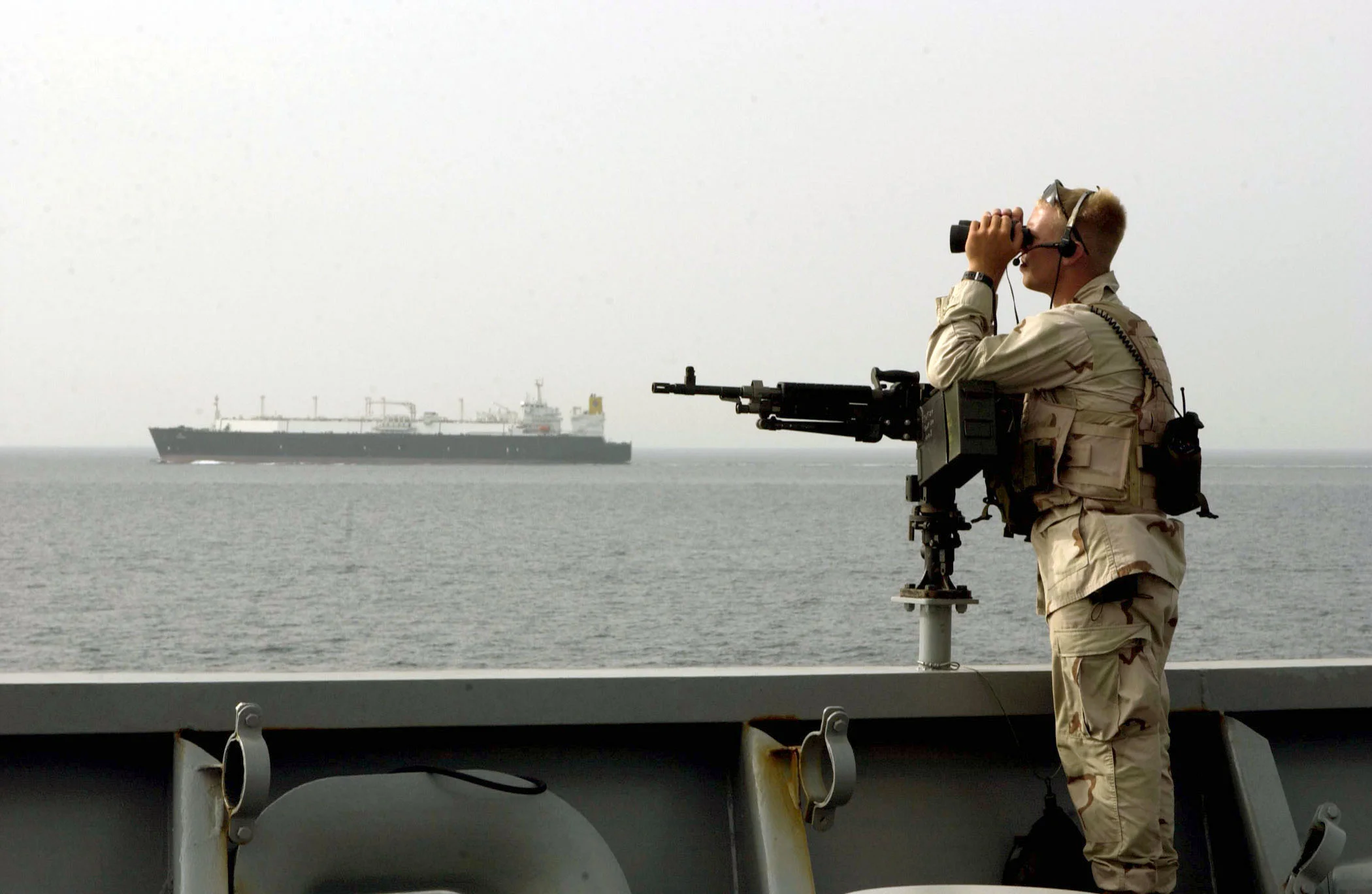
US Navy 050505-N-4309A-110 — Master-at-Arms Seaman Matthew Ramer, assigned to Mobile Security Detachment Two Four (MSD-24), stands watch as a tanker transits the Strait of Hormuz.
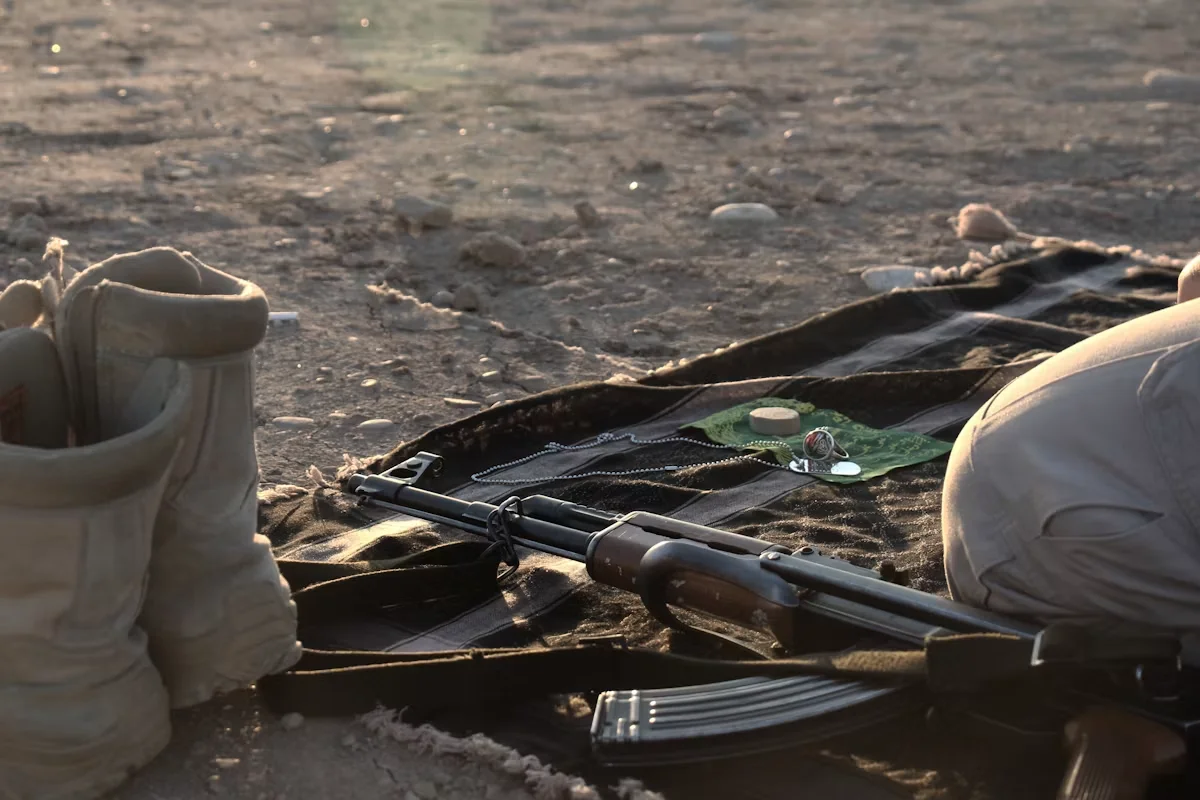
Combat boots, rifle, dog tags, and prayer stone on desert sand Photo by Mojtaba Taghizadeh on Unsplash
Tankers anchored in the Persian Gulf — Video: Pexels
Iran War — Peace Deal

Doha Talks Proceed in Shadow Format — US and Iran Can't Agree on Whether They're Even Talking

US envoys Steve Witkoff and Jared Kushner arrived in Doha today for what Washington calls 'high-level meetings' with Iran. Tehran and Doha both say no direct US-Iran talks are taking place — only Qatari-mediated proximity negotiations over MOU implementation and frozen assets. The weekend military exchange involving two commercial vessel attacks and US retaliatory strikes appears to be holding at a ceasefire, with both sides exchanging messages through deconfliction channels.
Bottom Line: The gap between how Washington and Tehran are publicly describing these talks is not a semantic dispute — it is a deliberate framing war. Trump needs to show domestic audiences he is negotiating from strength; Iran needs to show its domestic audience it is not capitulating to direct US pressure. Qatar's confirmation that talks are mediated, not direct, aligns with Tehran's account. What matters operationally: the weekend's shooting has stopped, ships are transiting again at roughly 40/day, and both sides showed up in Doha. The process is alive. The framework is not resolved. Iran's demand for exclusive control of Hormuz demining and its pressure on the southern shipping corridor remain the core sticking points heading into July.
Military Operations

Weekend Ship Attacks Triggered US Strikes on Iran Before Deconfliction Halt

Iran attacked the Singapore-flagged container ship M/V Ever Lovely on June 26, prompting CENTCOM retaliatory strikes on Iranian missile and drone infrastructure, coastal radar systems, and sites on Qeshm Island. The following day, June 27, Iran launched a one-way attack drone that struck the Panama-flagged tanker M/T Kiku at approximately 4:30 AM ET. CENTCOM followed with additional strikes on multiple targets inside Iran. By June 28, both sides agreed through deconfliction channels to cease the exchange. CENTCOM's statement noted Iran was 'given a chance to honor the ceasefire agreement' after the first round of US strikes and elected not to when it hit Kiku.

Source: CENTCOM (official statements), Axios, NYT

Iran Publicly Acknowledges Mining Strait of Hormuz — Claims Exclusive Demining Rights

Iran's Deputy Foreign Minister Kazem Gharibabadi stated on June 29 that demining in the Strait of Hormuz 'would be carried out exclusively by Iran' — a rare public confirmation that Iran mined the strait. The statement came in response to French President Macron's offer for France to assist with mine clearance. UKMTO has designated the threat level in the strait as 'substantial' due to elevated risk from floating sea mines. Iran's assertion of exclusive demining authority is a direct leverage claim over any future reopening timeline.

Source: Iran Deputy FM Gharibabadi (June 29), UKMTO threat advisory

Hormuz Traffic Rebounds to ~40 Transits Monday After Sunday Dip to 24

Shipping data from Kpler and MarineTraffic showed approximately 39 transits on Saturday June 27, a drop to roughly 24 on Sunday June 28 following the US strikes, and a rebound to approximately 40 on Monday June 29. As of Tuesday at 12:00 UTC, transits were continuing through both the southern Omani corridor and the northern Iran-controlled route. On June 29, Iran's Navy warned vessels via state TV to pass only south of Larak Island — effectively directing commercial traffic through the northern, Iran-controlled route and away from the US-backed southern corridor.

Source: Kpler/MarineTraffic (Tier 1), JMIC, Iranian state TV (June 29)
Diplomacy & Negotiations

Witkoff and Kushner in Doha — Iran and Qatar Say No Direct Talks with US

US Special Envoy Steve Witkoff and Jared Kushner arrived in Doha on June 30. White House Press Secretary Karoline Leavitt said on June 29 that Iran had 'requested a meeting' and that the envoys would attend 'high-level meetings' to 'discuss the memorandum of understanding.' Iran's Foreign Ministry spokesman Esmail Baghaei said on June 29 the Doha session was a discussion with the Qatari side about implementing MOU provisions, specifically the release of Iran's blocked assets. Iran's state media on June 30 stated: 'No negotiation meetings are scheduled with the US at any level.' Qatar's Foreign Ministry spokesman Majed al-Ansari confirmed the envoys 'won't be having direct negotiations with Iranian diplomats' and that mediators are 'acting as go-betweens.' Witkoff and Kushner met with Qatari PM Sheikh Mohammed bin Abdulrahman bin Jassim Al Thani.

Source: White House (Leavitt, June 29), Iran FM Baghaei (June 29), Qatar FM al-Ansari (June 30), Qatar state news agency

Oman Proposes 'Service Fee' Framework for Hormuz Passage — US Objects

Oman has formally delivered a proposal to the US and Western allies for shipping companies to pay service fees — not tolls — for Strait of Hormuz passage. Omani Foreign Minister Badr al-Busaidi drew an explicit legal distinction: 'We are not in favor of imposing tolls on passage through the Strait of Hormuz, which is prohibited internationally — whereas service fees are legal.' The White House has stated flatly that 'Iran cannot toll the strait.' Iran and Oman appear aligned on the fee structure concept. The proposal introduces a third-party revenue mechanism that could potentially give Iran financial benefit from Hormuz traffic without formally constituting a toll — a distinction Washington has not yet publicly addressed.

Source: NYT (June 30), White House spokesperson Anna Kelly (June 30), Omani FM Badr al-Busaidi

Hamas Delegation Arrives in Cairo for Gaza Ceasefire Implementation Talks

A senior Hamas delegation led by West Bank chief Zaher Jabarin arrived in Cairo on June 30 to meet with Egyptian officials. Discussions cover implementation of the Gaza ceasefire, humanitarian access for reconstruction supplies including hospitals, bakeries, and infrastructure, and remaining provisions of the Sharm el-Sheikh agreement. The talks are proceeding on the same day Israeli airstrikes killed at least 8 people including a mother and her one-year-old daughter in a displaced persons tent camp in Al-Mawasi, west of Khan Younis.

Source: Egypt Today, Xinhua, CNBC TV18
Regional Impact

Netanyahu Visits Southern Lebanon — Vows No Withdrawal While Hezbollah Remains

Prime Minister Benjamin Netanyahu visited IDF troops in occupied southern Lebanon on June 30, his first such visit since the US-brokered Israel-Lebanon framework agreement was signed on June 26. Netanyahu stated: 'Israel won't withdraw as long as Hezbollah remains here.' He said Hezbollah retains approximately 12,000 rockets and missiles and that Israeli forces have killed 9,000 Hezbollah militants in Lebanon. At least 32 Israeli soldiers and 4 Israeli civilians have been killed by Hezbollah, most in southern Lebanon. Hezbollah has rejected the June 26 framework deal. Lebanese state media reported Israeli demolition operations, artillery fire, and homes set ablaze in multiple southern Lebanese villages on June 29-30.

Source: Reuters, Times of Israel, Straits Times, Lebanese National News Agency, CNN (June 30)

Iran Prepares State Funeral for Khamenei — July 4-9, Five Cities, Four Months After His Death

Iran is organizing a six-day state funeral for Supreme Leader Ali Khamenei, scheduled July 4-9 across five cities in Iran and Iraq. Khamenei was killed in the opening US-Israeli strikes on February 28, 2026. His son Ayatollah Mojtaba Khamenei has succeeded him as Supreme Leader. The funeral was delayed four months due to the war. Giant mourning billboards and portraits are being erected across Tehran, with workers racing to prepare the Grand Mosalla. The funeral will coincide with the final weeks of the Islamabad MOU's 60-day ceasefire framework.

Source: Euronews, Arab News, CNN, CNA, AP

Iran Targets Southern Shipping Corridor Near Oman — Consistent with Strategy to Force Traffic North

Iran's latest attacks on commercial vessels targeted the southern shipping corridor near Oman — the alternative route designed to move traffic farther from Iran's reach. The M/V Ever Lovely and M/T Kiku attacks occurred in or near this corridor. Iran's Navy warning on June 29 directing vessels to pass only south of Larak Island, near the Iranian coast, is consistent with a deliberate strategy: making the US-backed Omani southern corridor unsafe while designating its own northern corridor as the legitimate passage route. The Oman fee proposal and Iran's exclusive demining claim reinforce this posture.

Source: Fox News (June 30, cross-referenced with AP/Reuters), Iranian state TV (June 29), CENTCOM
Conflicting Reports — Read Critically

Whether US-Iran direct talks are occurring in Doha

White House / President Trump US Government (official) The US will 'meet with Iran' in Doha; envoys attending 'high-level meetings' to discuss the MOU.
Iran Foreign Ministry (Baghaei, Gharibabadi) Iranian Government (official) No meetings with US officials scheduled at any level. Iran's delegation is in Doha solely to discuss MOU implementation and frozen assets with the Qatari side.
Qatar Foreign Ministry (al-Ansari) / Qatar state news agency Qatari Government (official mediator) Envoys will not have direct negotiations with Iranian diplomats. Mediators are acting as go-betweens. No high-level officials from Iran in the direct talks.

Assessment: Iran and Qatar's accounts are mutually consistent: proximity talks through Qatari mediation, not direct US-Iran negotiations. Trump's framing of 'meeting with Iran' does not match the confirmed format. The White House has not publicly corrected its characterization despite Qatar's on-record clarification.

Brent crude closing price on June 30, 2026

Fortune (9:00 AM ET) Financial media (Tier 1) Brent at $75.02/bbl
CNBC (market close) Financial media (Tier 1) Brent at $72.92/bbl
Forbes Advisor (June 30) Financial media (Tier 1) Brent futures rose 1.99% to $74.28/bbl
HDFCSky Financial data provider (Tier 2) Brent fell 1% to $72.40/bbl

Assessment: Normal intraday price movement accounts for the variation. Session opened near $74-75, declined through the day to approximately $72.92 at close as Doha talks proceeded without disruption. No genuine data conflict — figures reflect different timestamps during the same trading session. Closing price of approximately $72.92 (CNBC) is used as the definitive figure.

Strait of Hormuz transit volumes and route safety

Kpler/MarineTraffic (via UANI) Commercial shipping tracker (Tier 1) Approximately 40 transits on Monday June 29; traffic ongoing through both southern Omani and northern Iranian corridors.
Iranian Navy / Iranian state TV Iranian Government (official) Vessels should only pass south of Larak Island — designating the northern Iran-controlled route as the sanctioned passage and implicitly warning off the southern corridor.
UKMTO UK Military (official) Threat level 'substantial' from floating sea mines across the strait.

Assessment: Transit data confirms ships are moving through both corridors despite Iranian routing warnings and mine threat. Iran's directive to use the northern route has not fully redirected commercial traffic. UKMTO's 'substantial' mine threat assessment applies to both corridors.

Analysis

Doha Is a Process, Not a Deal — And Iran Is Winning the Narrative Frame

The most consequential development today is not what happened in Doha — it is what both sides are saying about what happened in Doha. Washington wants credit for bringing Iran to the table. Tehran wants to demonstrate to its domestic audience that it is not being summoned by Washington. Qatar's on-record confirmation that these are proximity talks through mediation, not direct negotiations, backs Iran's account of the format. Trump's use of the phrase 'meet with Iran' is either a deliberate overstatement for domestic consumption or a genuine mischaracterization of the meeting structure. Neither possibility is reassuring about the durability of whatever understandings are being built.

The harder problem is Hormuz. Iran has now publicly claimed exclusive demining rights, is attacking the southern corridor to drive traffic toward its own northern route, and is aligned with Oman on a fee structure that Washington calls a red line. These are not posturing positions — they represent Iran's actual leverage architecture. Iran does not need to formally close the strait to extract concessions; it simply needs to make the alternative corridor unsafe enough that commercial traffic self-selects into the northern route, where it becomes subject to Iranian fee and inspection regimes. The weekend attacks on Ever Lovely and Kiku fit this pattern precisely.

Markets are pricing in a much more optimistic resolution than the observable facts support. Brent at $72-75 implies traders expect the strait to reopen substantially — yet Iran has mined it, claims sole authority to demine it, and has not agreed to any timeline for doing so. The EIA's $105/bbl model assumed effective closure; the market is pricing something between that and full reopening. The Doha talks are a necessary step, but the core disputes — demining control, passage fees, frozen assets, and the MOU's implementation sequencing — remain unresolved. The ceasefire is holding today. That is not the same as a deal.

What We Don't Know
  • Whether any written agreement was reached in Doha on June 30, or whether the talks produced only verbal understandings communicated through Qatari mediators
  • The specific terms of Iran's frozen assets demand — how much, held where, and what sequencing Iran is requiring for release versus Hormuz reopening steps
  • Whether the Oman 'service fee' proposal has been formally presented to Iran and whether Iran has endorsed it explicitly, or whether alignment is assumed based on indirect signals
  • The actual extent of Iranian mining in the Strait of Hormuz — number of mines laid, locations, and what a genuine demining operation would require in time and resources
  • Whether the deconfliction channel agreement to halt attacks on June 28 includes any written commitments, red lines, or verification mechanisms — or is purely informal
  • The status of Hezbollah's response to the June 26 Israel-Lebanon framework — whether Hezbollah has issued a formal rejection or is maintaining ambiguity
  • Whether the Hamas delegation's arrival in Cairo on June 30 reflects any new flexibility from Hamas leadership on ceasefire terms, or is a continuation of prior positions
Sources
  1. CENTCOM (official statements)
  2. White House / Karoline Leavitt briefing
  3. Axios — US official deconfliction agreement
  4. NYT — Oman fee proposal, Hormuz transit data
  5. Reuters — Netanyahu Lebanon visit
  6. Times of Israel — Netanyahu statements, Gaza strike
  7. CNN — Qatar mediation format, Lebanon military activity
  8. AP — Khamenei funeral, birthright citizenship ruling
  9. NPR — Supreme Court birthright citizenship
  10. UKMTO — Hormuz threat advisory
  11. Kpler/MarineTraffic — Hormuz transit data
  12. CNBC — US equities, oil price close
  13. Arab News — Khan Younis strike, Khamenei funeral
  14. Euronews — Khamenei funeral preparations
  15. Haaretz — West Bank killing of Ahmad Jawad Jaber
  16. Egypt Today — Hamas Cairo delegation
  17. NYT — Monaco bombing
  18. Reuters — Saudi Aramco helicopter crash
  19. Iranian state TV — Navy routing warning, Doha talks
  20. Qatar Foreign Ministry — al-Ansari statement