DIGITAL NEWS USA

June 29, 2026 6:03 PM ET
Daily Intelligence Briefing
Brent Crude
$73.00
+1.4%
WTI Crude
$70.46
+1.77%
S&P 500
7,440
+1.18%
War Day
122
Since Feb 28
Hormuz Stand-Down Holds — Barely. Doha Talks Claimed for Tuesday. Photo: US Department of Defense / DVIDS
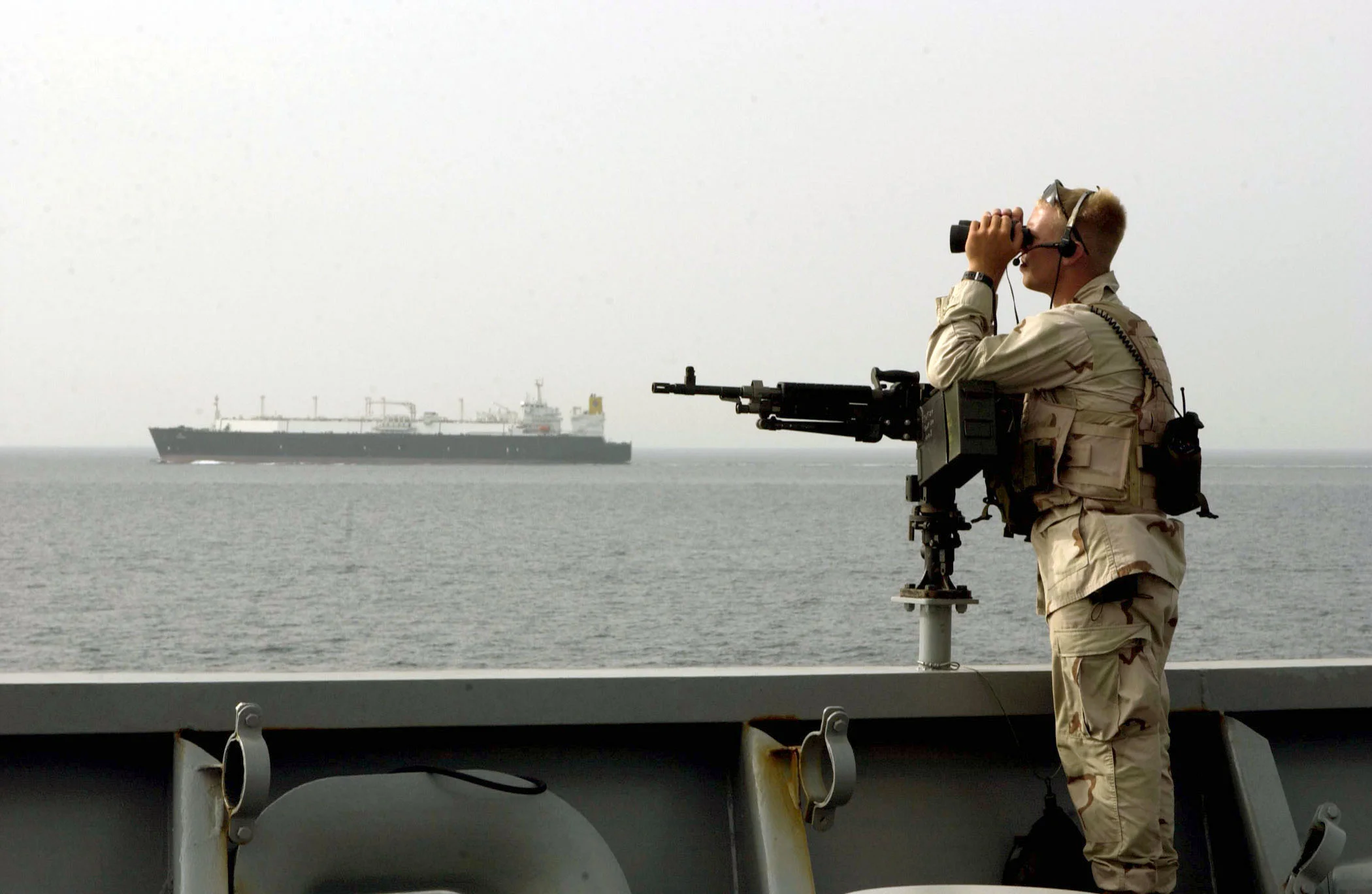
US Navy 050505-N-4309A-110 — Master-at-Arms Seaman Matthew Ramer, assigned to Mobile Security Detachment Two Four (MSD-24), stands watch as a tanker transits the Strait of Hormuz.
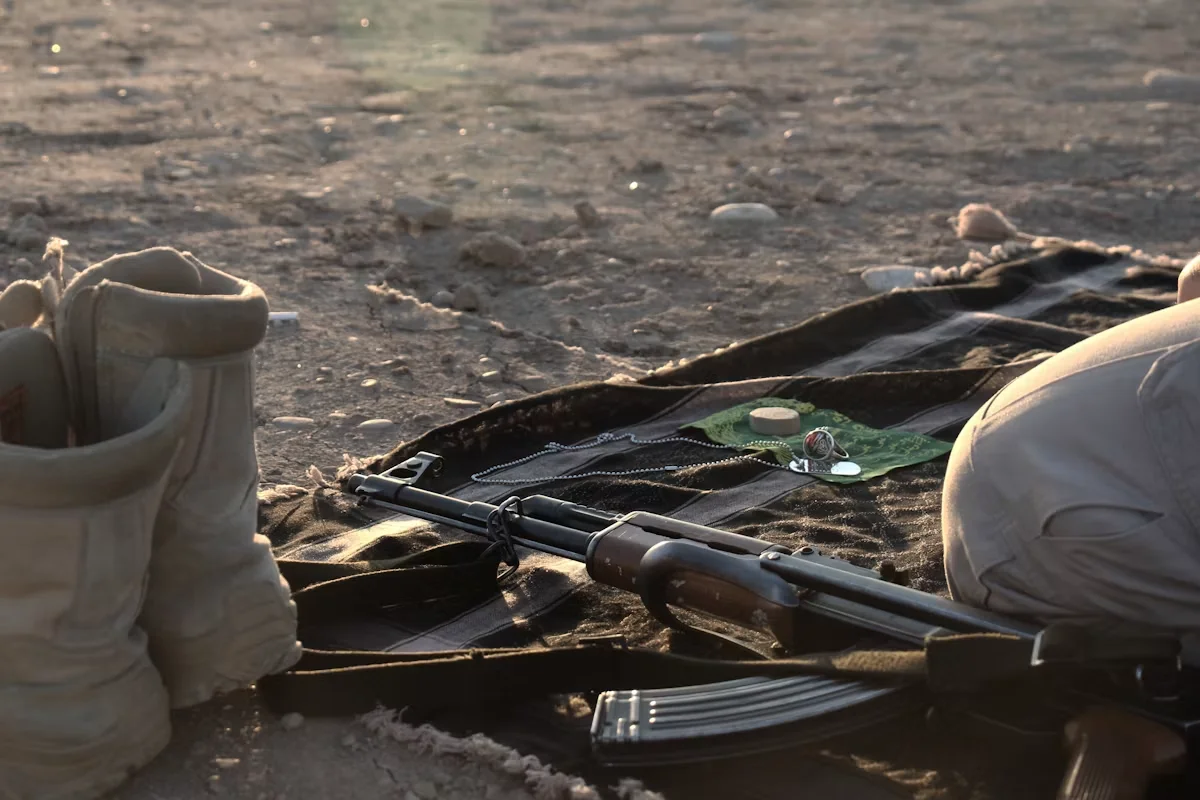
Combat boots, rifle, dog tags, and prayer stone on desert sand Photo by Mojtaba Taghizadeh on Unsplash
Tankers anchored in the Persian Gulf — Video: Pexels
Iran War — Ceasefire Under Strain

Hormuz Stand-Down Holds — Barely. Doha Talks Claimed for Tuesday.

The Islamabad MOU ceasefire survived a weekend of reciprocal strikes — Iranian drones hit two commercial vessels, the US struck Iranian military sites twice, and Iran targeted Bahrain and Kuwait on Sunday. A late-Sunday 'stand down' agreement appears to be holding Monday, with no new strikes reported. Trump claims Iran-US technical talks are set for Tuesday in Doha; Tehran is publicly denying it while a senior Iranian source confirmed the meeting to Reuters.
Bottom Line: The ceasefire framework is battered but intact. The core dispute — who controls Strait of Hormuz transit under Article 5 of the Islamabad MOU — remains entirely unresolved and drove every escalatory move this weekend. Iran struck two commercial vessels, the US responded both times, and Iran then broadened its strikes to Bahrain and Kuwait before both sides apparently agreed to stand down Sunday night. The Strait is running at roughly 5% of normal commercial traffic. Whatever happens in Doha on Tuesday, shipping executives are already warning of months of sub-capacity throughput regardless of any diplomatic agreement. The ceasefire is surviving on threads.
Military Operations

Iran Drones Hit Two Commercial Vessels; US Struck Iranian Sites Twice in 48 Hours

On Thursday June 25, an Iranian one-way attack drone struck the Singapore-flagged cargo ship M/V Ever Lovely as it exited the Strait of Hormuz along the Omani coast. CENTCOM responded with airstrikes Friday June 26 targeting missile and drone storage locations, coastal radar sites, and facilities on Qeshm Island. On Saturday June 27 at approximately 4:30 AM ET, a second Iranian one-way attack drone struck the Panama-flagged oil tanker M/T Kiku in the Strait of Hormuz — the vessel was carrying more than 2 million barrels of crude oil. CENTCOM confirmed the strike and launched a second round of airstrikes against Iranian targets. CENTCOM statement: 'Iran was given a chance to honor the ceasefire agreement but elected not to when its forces launched a one-way attack drone that hit M/T Kiku this morning.' No new US or Iranian military strikes have been reported Monday following a late-Sunday stand-down.

Source: CENTCOM statement; CNN, NPR, NYT, CNBC, Al Jazeera (June 26–27)

Iran Strikes Bahrain and Kuwait on Sunday; Residential Building Damaged, Qatari Citizen Killed

On Sunday June 28, the IRGC launched drone and missile attacks targeting Bahrain and Kuwait, claiming it struck US military sites including Al Asad Air Base in Kuwait. In Bahrain, a residential building in Muharraq governorate near Bahrain International Airport was heavily damaged; Bahrain's Interior Ministry confirmed no fatalities. In Qatar, one Qatari citizen was killed and another injured when their boat was struck by shrapnel from 'military operations in the region.' Qatar's Interior Ministry did not specify whether the shrapnel originated from Iranian projectiles or interception operations. The IRGC issued a statement warning that US bases in the region 'will be experiencing hell during these days.'

Source: AP, PBS, CNN, NBC News, CBS News, Qatar Interior Ministry via Times of Israel (June 28)

IDF Demolishes 200-Meter Hezbollah Tunnel and Underground Drone Factory in Southern Lebanon

On June 28, the IDF destroyed a 200-meter Hezbollah tunnel beneath the village of Majdal Zoun in southern Lebanon in a controlled demolition, releasing footage of the operation. Netanyahu and Defense Minister Katz announced the operation; the IDF noted it had previously postponed the demolition amid US pressure to halt activity during the ceasefire period. IDF ground forces also demolished an underground Hezbollah drone factory at a depth of 29 meters, described as airstrike-proof. Defense Minister Katz stated June 29: Israel has 'no territorial ambitions in Lebanon' but the IDF 'will not withdraw a millimeter' until Hezbollah is disarmed.

Source: Times of Israel, Jerusalem Post, IDF footage (June 28); TechTimes (June 29)
Diplomacy & Negotiations

Doha Talks Claimed for Tuesday — Iran Publicly Denies, Senior Iranian Source Confirms to Reuters

President Trump posted on Truth Social that Iran 'requested' a meeting and that talks would take place Tuesday June 30 in Doha, Qatar. Iran's Deputy Foreign Minister Kazem Gharibabadi publicly stated: 'The reports by certain media outlets regarding the holding of technical working group talks in Doha are not confirmed.' However, a senior Iranian source told Reuters that US and Iranian representatives will meet Tuesday in Doha for technical talks focused on shipping management in the Strait of Hormuz. The public denial alongside private confirmation reflects a classic dual-track posture. The fundamental agenda item — Article 5 of the Islamabad MOU and who controls commercial transit — remains the unresolved dispute that drove this weekend's escalation.

Source: NYT (June 29, 4:33 PM ET); ISNA/IranWire/Euronews (Gharibabadi); Reuters via CBS News (June 29)

US-Iran Stand-Down Agreement: Washington Says Yes, Tehran Says Nothing

Late Sunday June 28, a US official indicated that the US and Iran agreed to halt attacks in the Strait of Hormuz and allow vessels to move freely, with attacks stopping 'for now.' No new strikes have been reported Monday. Iran has not publicly confirmed the stand-down. Iranian officials continued to assert sole sovereign control over the Strait, with IRGC parliamentary commission chair Ebrahim Azizi stating: 'The Strait of Hormuz is governed by Iran. Do not mistake control for escalation.' Trump separately posted that the US would 'annihilate' Iran if forced to return to war.

Source: NYT, Washington Post (June 28–29); NPR, CBS News (June 28)

Rubio Announces Israel-Lebanon Framework; Hezbollah Rejects It

On June 26, Secretary of State Rubio announced a trilateral Israel-Lebanon-US framework deal for 'lasting peace and security.' The agreement was signed at the State Department by Israeli Ambassador Yechiel Leiter, US State Department Counselor Dan Holler, and Lebanese Ambassador Nada Hamadeh. Key terms include: an Israel-Hezbollah ceasefire, Hezbollah withdrawal from southern Lebanon, partial IDF withdrawal, and Lebanese army assumption of security responsibilities — with disarmament as a precondition for Israeli withdrawal. Hezbollah rejected the framework, demanding complete Israeli withdrawal first and objecting to the disarmament requirement. Rubio separately met GCC foreign ministers at Al-Sakhir Palace in Bahrain on June 25, where Gulf states called for an end to Iranian attacks and full opening of the Strait.

Source: Times of Israel, Jerusalem Post, Wikipedia 2026 Israel-Lebanon ceasefire; NPR, CBS News, AFP (June 25–26)
Regional Impact

Strait of Hormuz Running at ~5% of Normal Capacity; Two Vessels Remain Stranded

Kpler shipping data shows 29 vessels transited the Strait on Saturday June 27 and 12 on Sunday June 28, against a pre-war norm of approximately 93–100 vessels per day. Independent tracker straits.live reported approximately 5 transits Monday June 29. Total commodity vessel transits over the four-day period Thursday–Sunday were approximately 124 — roughly equivalent to a single pre-war day's traffic. Two vessels remain stranded in the Strait with one shipping executive stating it is 'too difficult for them to exit at this time.' Shipping executives told The Circuit that the Strait is expected to operate at less than half normal capacity for months, citing naval mines, restricted navigation channels, and elevated war-risk insurance premiums. Insurers say full resumption of normal cover requires 'sustained evidence that a single incident would not trigger renewed escalation.'

Source: Kpler via CNN, Times of Israel, Armenpress; straits.live (June 29); NYT (June 27); The Circuit, Insurance Business, Khaleej Times (June 29)

NYT: China Has Emerged as a Relative Economic Winner from the Hormuz Crisis

The New York Times published an analysis on June 29 arguing that China has emerged as a relative economic winner from the Strait of Hormuz crisis. China's substantial energy reserves, dominance in clean energy infrastructure, and access to alternative supply routes cushioned the economic shock compared to other major Asian economies dependent on Gulf oil transiting the Strait.

Source: NYT (June 29), citing The Asia Group analysis

IDF Warns Hamas Readying to Return to War; Over 1,000 Palestinians Killed Since Gaza Ceasefire Began

IDF intelligence issued a warning June 29 that Hamas is readying to return to war. The US opposes any new Israeli offensive in Gaza. The Gaza ceasefire has been in place since approximately October 2025; however, the Hamas-run health ministry reports more than 1,000 Palestinians have been killed since the ceasefire began. On June 28, Israeli strikes killed at least four Palestinians in Gaza — two in a drone strike on a group of civilians in the Al-Salateen area of Beit Lahiya (victims identified as Wael Lubbad and Muath Ahmad), and two additional in a southern Gaza strike.

Source: Times of Israel (June 29); Palestine Red Crescent Society via AP, Washington Post, IMEMC (June 28)
Conflicting Reports — Read Critically

Are US-Iran Doha talks happening Tuesday, June 30?

President Trump / White House US Government (social media post) Iran requested a meeting; talks will take place Tuesday June 30 in Doha, Qatar.
Kazem Gharibabadi, Iranian Deputy Foreign Minister Iranian Government (on-record official statement) Reports about technical working group talks in Doha are not confirmed. Consultations with Qatar are ongoing as routine but no talks are scheduled.
Reuters, citing a senior Iranian source Wire service citing unnamed official US and Iranian representatives will meet Tuesday in Doha for technical talks focused on shipping management.

Assessment: Iran is publicly denying what a senior Iranian official confirmed privately to Reuters — consistent with a dual-track negotiating posture Iran has used throughout this conflict. Trump's claim and the Reuters source align. The on-record Iranian denial is likely political cover, not a factual refutation. Likelihood of Tuesday talks is moderate-to-high, but Iran may continue public denial until talks actually occur or collapse.

US-Iran stand-down agreement in the Strait of Hormuz

US official via NYT and Washington Post US Government (anonymous official) The US and Iran agreed to halt attacks in the Strait of Hormuz and allow vessels to move freely. Attacks will stop 'for now.'
Iranian government statements Iranian Government (official) Iran has not publicly confirmed any stand-down agreement. Iranian officials continued to assert sole sovereign control over the Strait. IRGC official stated bases 'will be experiencing hell during these days.'

Assessment: The US side confirmed a deal; Iran has not. No new strikes have been reported Monday, suggesting some operational agreement exists. But Iran's public posture — asserting control of the Strait as sovereign right rather than acknowledging any concession — means the stand-down is unconfirmed by either party on record. Its durability cannot be assessed.

Strait of Hormuz transit volume — Monday June 29

straits.live Independent crisis tracker (unverified, self-published) Approximately 5 vessels transited Monday June 29, against a normal of ~93/day. Strait is 'effectively closed to commercial shipping.'
Kpler via CNN, Times of Israel, Armenpress Commercial shipping data provider (Tier 1 industry source) 29 vessels Saturday, 12 vessels Sunday. Four-day total of 124 commodity vessels Thursday–Sunday.

Assessment: The Kpler data covers Thursday–Sunday and does not yet reflect Monday conditions. The straits.live Monday figure of ~5 transits is directionally consistent with the Sunday Kpler drop to 12 and the weekend escalation, but straits.live is an unverified crisis-period tracker. The two datasets are measuring different days and are not directly contradictory, but neither can be independently verified for Monday.

Analysis

The Ceasefire Is Technically Alive. The Dispute That Broke It Is Completely Unresolved.

The Islamabad MOU is 12 days old and has already survived a weekend that included drone strikes on two commercial vessels, two rounds of US airstrikes on Iranian territory, and Iranian missile and drone attacks on Bahrain and Kuwait. What prevented formal collapse was a Sunday-night US-Iran 'stand down' that Tehran has not publicly acknowledged and that rests entirely on anonymous US official sourcing. That is not a stable foundation. The ceasefire is holding because both sides stepped back from the edge — not because the underlying dispute was resolved.

The root cause of the weekend's escalation is Article 5 of the Islamabad MOU. The US reads it as a guarantee of free commercial transit. Iran reads it as an authorization for Iran to manage transit on its own terms — including by deciding which vessels pass and when. Those are not reconcilable interpretations through good-faith implementation; they require explicit renegotiation of the text. Everything else — the Doha talks, the shipping de-escalation, the stand-down — is downstream of whether the two sides can agree on what Article 5 actually means. Tuesday's reported technical talks in Doha, if they happen, will be the first direct test of whether either government is prepared to make that concession explicit.

The Strait's operational numbers tell the real story. At 12 vessels on Sunday against a pre-war norm of 93–100 per day, the world's most critical oil chokepoint is functioning at roughly 13% of normal — and Monday may be worse. Shipping executives are already pricing in months of disruption regardless of diplomatic outcomes. War-risk insurance premiums will not normalize until the market has sustained evidence that a single incident will not re-trigger the cycle that played out this weekend. That evidence does not yet exist. The markets closed up Monday, apparently reassured by the stand-down. That reassurance is premature.

What We Don't Know
  • Whether Iran has privately agreed to the stand-down or is simply observing it tactically while denying any commitment
  • Whether Tuesday's Doha talks will actually occur — Iran's public denial is on record and has not been formally retracted
  • The exact text of the US-Iran stand-down understanding: what triggers would resume strikes, and whether any written commitment exists
  • The condition of M/T Kiku and M/V Ever Lovely — crew status, cargo status, and whether either vessel has been recovered or is still disabled
  • The identity and operational authority of the 'senior Iranian source' who confirmed Doha talks to Reuters — whether this represents IRGC, Foreign Ministry, or Supreme Leader office
  • Whether the two vessels stranded in the Strait have been identified and what flag states are doing to secure their crews
  • Iran's internal political dynamics between the Foreign Ministry (which signed the MOU) and the IRGC (which is conducting strikes) — whether the civilian government can enforce any shipping agreement on the Revolutionary Guard
Sources
  1. CENTCOM (via CNN, NPR, NYT)
  2. CNN — Hormuz strikes and shipping
  3. The New York Times — Doha talks, stand-down, Hormuz
  4. The Washington Post — stand-down agreement
  5. Reuters via CBS News — senior Iranian source on Doha
  6. NPR — ceasefire fragility, GCC meeting
  7. AP News — Bahrain/Kuwait strikes, Qatar casualty
  8. Al Jazeera — Article 5 dispute, Iran strikes
  9. CNBC — M/T Kiku strike, markets
  10. Times of Israel — Lebanon framework, IDF operations
  11. Jerusalem Post — Hezbollah rejection, Katz statement
  12. Kpler shipping data (via CNN, Times of Israel, Armenpress)
  13. The Circuit — shipping industry assessment
  14. Insurance Business / Khaleej Times — war-risk premiums
  15. ISNA / IranWire — Gharibabadi denial
  16. India Today / Firstpost / Mint — Article 5 text
  17. ISW — Russia-Ukraine, regional assessment
  18. Yahoo Finance / TradingEconomics — market data
  19. straits.live — independent Hormuz tracker (unverified)
  20. Palestine Red Crescent Society via AP / IMEMC — Gaza casualties
  21. TechTimes — Hezbollah drone factory demolition
  22. CBS News — Comcast split announcement