The Ceasefire Has a Structural Defect — and Everyone Knows It
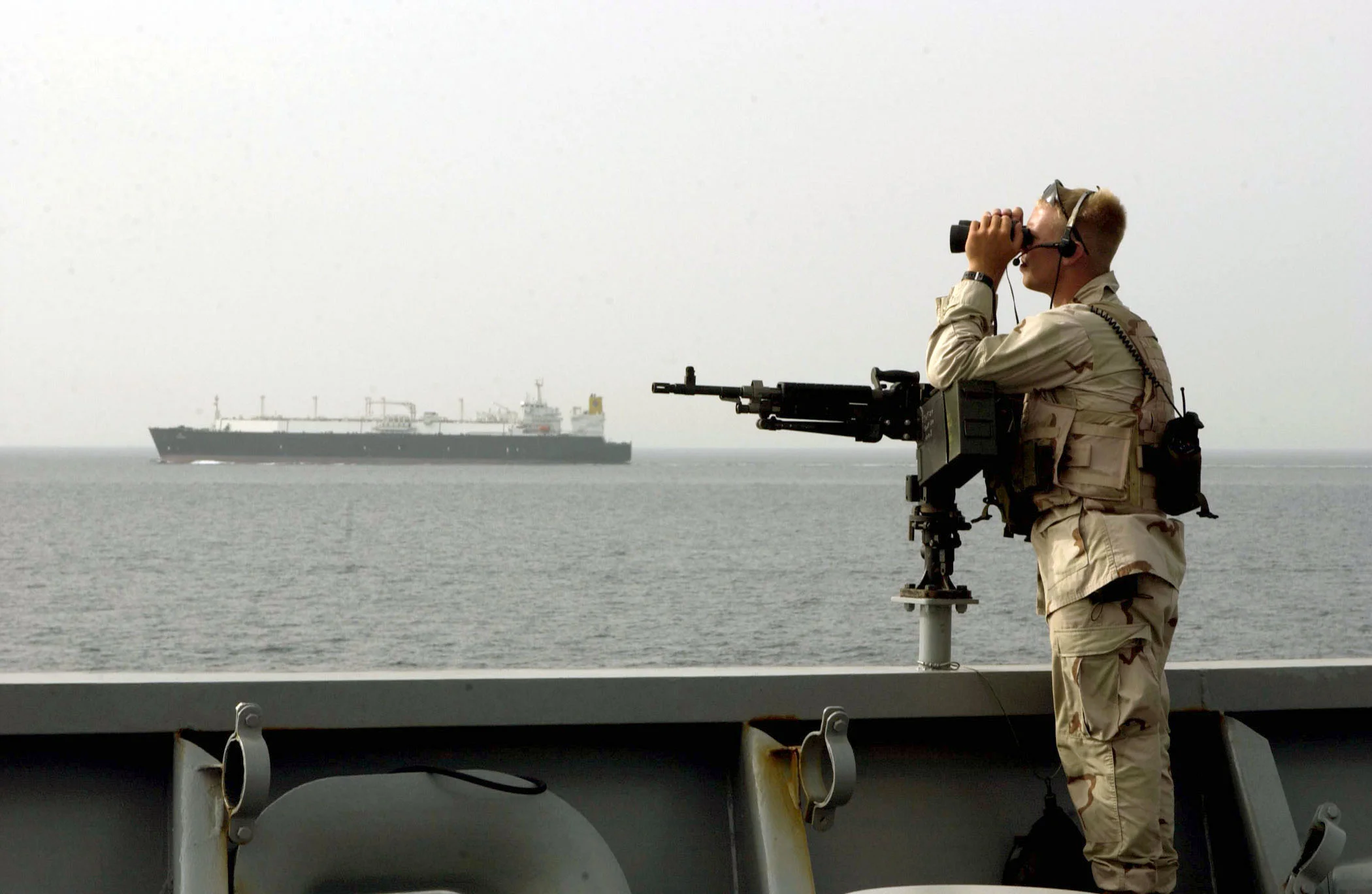
The weekend's events followed a logic that was entirely predictable given the Islamabad MoU's construction: a vague article governing the world's most consequential chokepoint, signed by two parties who apparently never agreed on what it said. Iran read Article 5 as a sovereignty grant. The U.S. read it as a traffic safety clause. When a commercial vessel transited in a way Tehran deemed unauthorized, Iran struck it. The U.S. responded kinetically. Iran retaliated against Gulf state soil. The cycle ran for four days before a phone call stopped it. That is not a ceasefire — that is a pause with a restart button both sides know how to find.
The halt agreement reached at 10:38 PM ET is real but thin. Both sides agreed to stop kinetic activity and meet in Doha on Tuesday. That is progress only in the narrow sense that Tuesday's meeting might produce an agreed text for Article 5. If it does not — if the Doha talks end with the same interpretive ambiguity that existed before June 25 — the M/V Ever Lovely and M/T Kiku are templates, not anomalies. Every commercial vessel transiting the Strait between now and a durable resolution is carrying that risk.
On the Israel-Lebanon front, Hezbollah's flat rejection of the June 26 trilateral framework matters more than the framework itself. The IDF fatality Sunday — the 38th soldier killed in Lebanon since March 2 — and the tunnel demolition in Majdal Zoun confirm that the northern front remains kinetically active regardless of what diplomats sign in Washington. Hezbollah's veto over Lebanese diplomacy is the same structural problem Article 5 represents in the Gulf: an agreement that does not bind the actor with the weapons.