The Ceasefire Is a Fiction — And Both Sides Know It
The Islamabad MoU was always a thin document stretched over a live conflict. What has happened in the past 48 hours is its operational obituary. The US struck Iran's missile infrastructure on Friday; Iran answered by targeting Bahrain — not a symbolic gesture, but a direct attack on the home of the US Navy's Fifth Fleet. That is a threshold crossing. You do not hit the Fifth Fleet's host nation and expect a phone call to resolve it. Vance's 'pick up the phone' social media post is the tell: the White House wants an off-ramp but doesn't have one in hand.
The Israel-Lebanon framework signing on the same day was the week's one genuine diplomatic data point — a formal agreement between two sovereign governments, brokered at the State Department. But it is operationally meaningless until Hezbollah either complies or is compelled to comply, and neither is happening. Hezbollah's rejection is not a negotiating posture; it is a military reality. The Lebanese Army cannot disarm Hezbollah. Israeli strikes resuming within 24 hours of the signing ceremony confirm that Israel reached the same conclusion. DW's question about civil war in Lebanon is not alarmist — it is the logical endpoint of a framework that gives the Lebanese state a mandate it cannot execute.
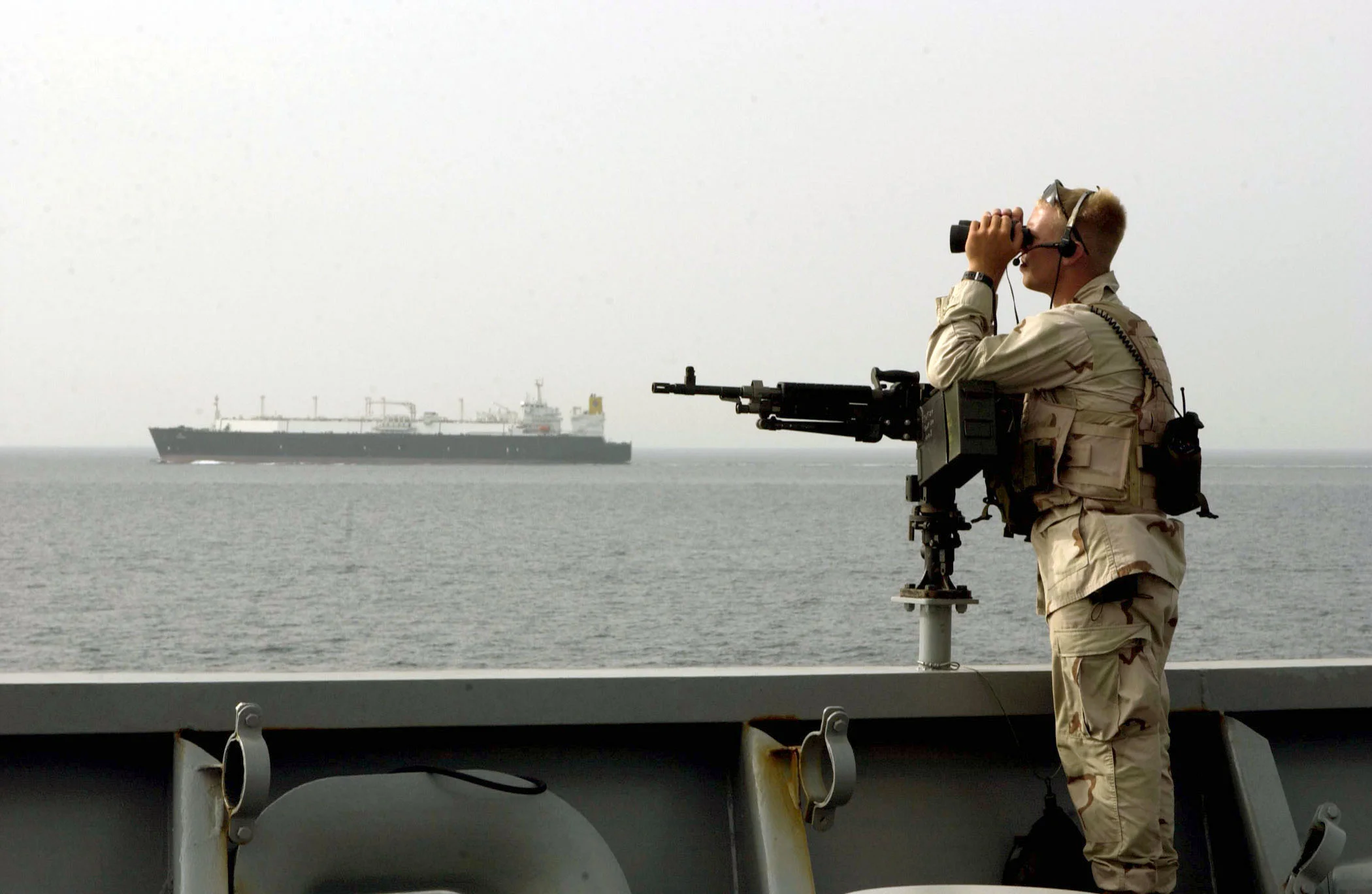
The oil market's failure to spike on Friday is either the most sophisticated geopolitical read in years or a dangerous complacency. Brent at $72 while the US and Iran exchange direct strikes and Iran threatens Hormuz closure is extraordinary. The most likely explanation is that traders are pricing in continued partial transit — Lloyd's List confirms ships are still moving through the southern route — and betting the Pentagon has drawn a clear line against full Hormuz closure. That bet may be correct. But Qatar's $150 warning and the three Korean vessels still stranded suggest the tail risk is real and the Monday open will be the market's first unfiltered verdict.