DIGITAL NEWS USA

June 26, 2026 6:03 PM ET
Daily Intelligence Briefing
Brent Crude
~$73.76
-1.99% (as of ~13:49 local / 06:49 GMT June 26; exact 18:00 ET close unverified)
WTI Crude
Not confirmed
Declining in line with Brent per available sources; exact figure unavailable
S&P 500
~7,354
-0.05% to -0.6% (range across intraday snapshots; chip/AI selloff dragged index)
War Day
120
Since Feb 28
Drone Hits British Cargo Ship in Hormuz — Trump Blames Iran, Deal Teeters Photo: US Department of Defense / DVIDS
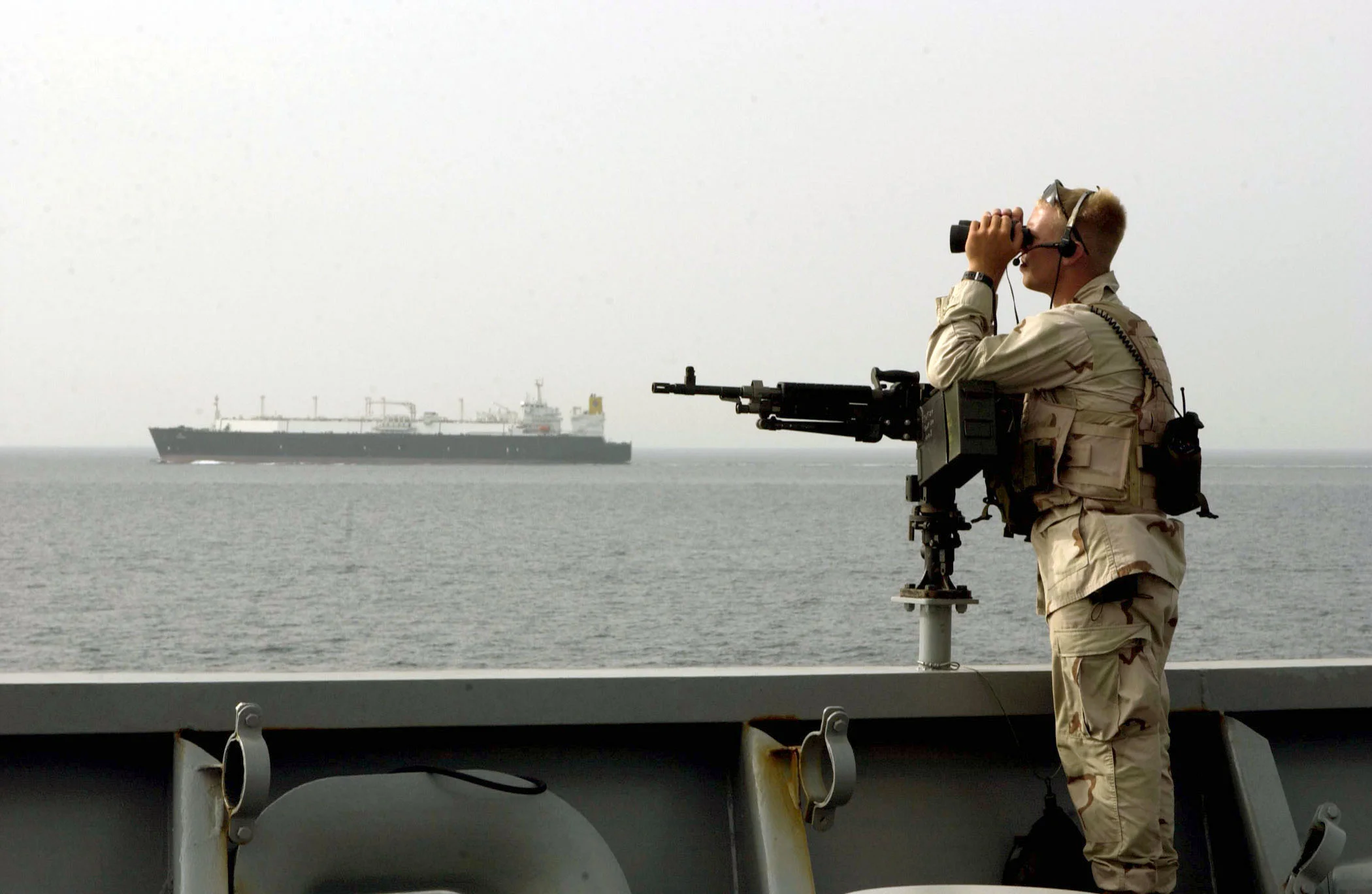
US Navy 050505-N-4309A-110 — Master-at-Arms Seaman Matthew Ramer, assigned to Mobile Security Detachment Two Four (MSD-24), stands watch as a tanker transits the Strait of Hormuz.
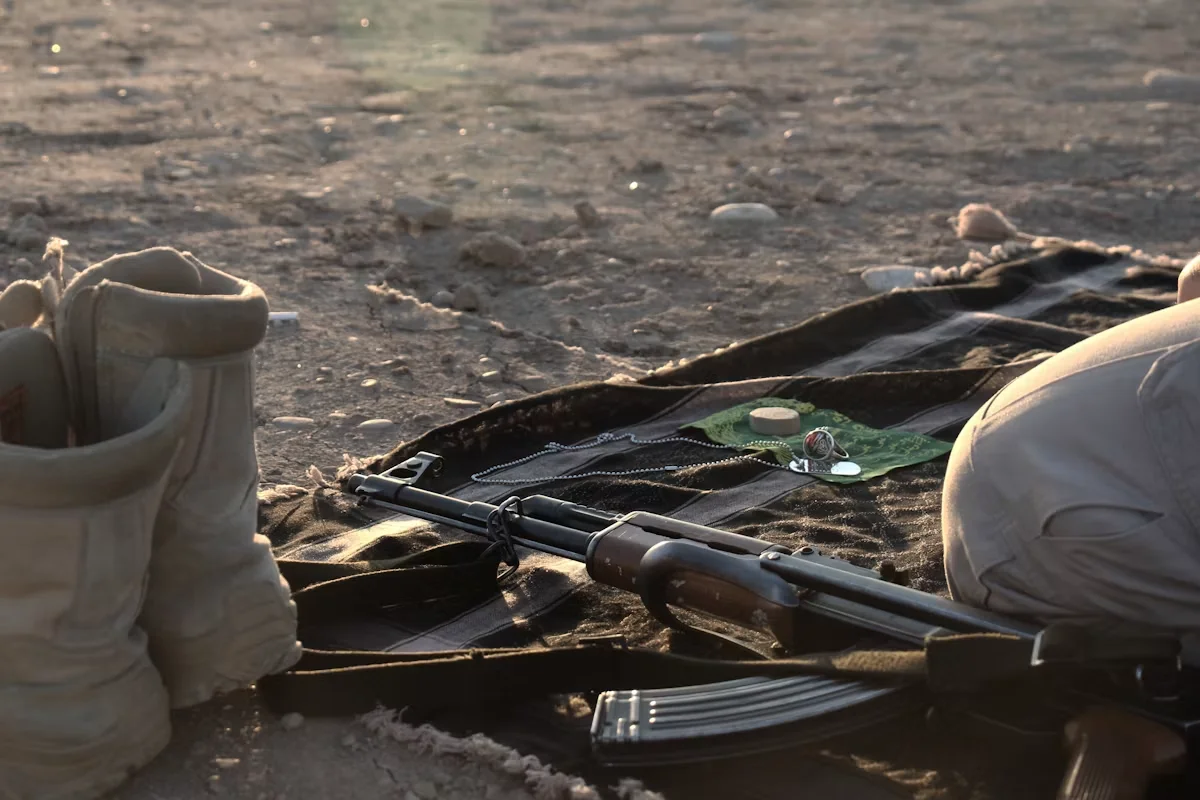
Combat boots, rifle, dog tags, and prayer stone on desert sand Photo by Mojtaba Taghizadeh on Unsplash
Tankers anchored in the Persian Gulf — Video: Pexels
Iran War — Ceasefire Under Strain

Drone Hits British Cargo Ship in Hormuz — Trump Blames Iran, Deal Teeters

A drone struck a British cargo ship transiting the Strait of Hormuz on June 25, causing minor structural damage. US forces shot down three additional drones. President Trump publicly blamed Iran, calling it 'a foolish violation of our Ceasefire Agreement.' The IMO paused vessel evacuations through the strait following the attack.
Bottom Line: The US-Iran interim peace agreement — signed sometime in the week of June 15-19 and still less than two weeks old — is now under acute pressure. Trump has publicly accused Iran of violating the ceasefire but has not declared it dead, and Secretary Rubio continues to describe nuclear negotiations as ongoing. That tension — between Trump's accusatory public posture and the administration's evident desire to preserve the deal — is the defining dynamic right now. One more incident in the strait could collapse the framework before it produces a permanent agreement. Markets have priced in ceasefire optimism, with oil trading near $74-77/barrel versus $100+ at the war's onset. A Hormuz escalation would reverse those gains instantly.
Military Operations

Drone Strikes British Cargo Ship in Strait of Hormuz; US Forces Down Three Others

On June 25, multiple drones targeted a British cargo ship transiting the Strait of Hormuz off the Omani coast. One drone struck the vessel's upper structure, causing minor damage. The ship remained seaworthy and continued its voyage. US forces intercepted and destroyed three additional inbound drones. Trump confirmed the incident Friday and attributed responsibility to Iran, specifically referencing the Islamic Revolutionary Guard Corps in at least one AP-syndicated report. No casualties were reported aboard the vessel.

Source: AP via CNN, CNBC, ABC3340, WTOL, KHOU (June 26, 2026); Trump statement confirmed across Tier 1 wire syndication

Israel Kills Hezbollah Members in Southern Lebanon Strikes; One IDF Reservist Dead

Israel conducted multiple strikes across southern Lebanon on June 25-26, targeting Hezbollah militants. The IDF confirmed killing Hezbollah members and striking a vehicle in south Lebanon, killing three people. Hezbollah characterizes those killed as civilians. Israel separately dropped evacuation leaflets over at least one southern Lebanese town. One Israeli reservist soldier was killed in southern Lebanon on Thursday. Heavy bombing continues across the south.

Source: AP via WVIA/NPR (June 26, 2026); The National live blog; Al Arabiya English; Haaretz

UAE Missile Alert Issued and Rescinded on Friday Afternoon

A missile alert was activated in Dubai, UAE on Friday warning of an incoming projectile. UAE authorities subsequently told residents to disregard the alert. No impact or damage was reported. The alert came hours after the Hormuz drone attack and amid an active Israeli-Hezbollah conflict. No official explanation for the false or precautionary alert was provided in available sourcing.

Source: US News/AP (June 26, 2026); The National live blog
Diplomacy & Negotiations

Rubio Meets GCC Foreign Ministers in Manama; Gulf States Back Deal But Demand Iran Accountability

Secretary of State Marco Rubio attended a GCC foreign ministers meeting in Manama, Bahrain on June 25. Gulf ministers welcomed the US-Iran preliminary peace agreement while stressing the need to address ongoing Iranian threats. Rubio dismissed UAE concerns about potential Strait of Hormuz transit tolls as 'semantics,' and reiterated that the US 'firmly rejects any tolls or fees in the Strait of Hormuz.' Rubio separately described the nuclear talks as 'a very very delicate, time-limited negotiation' and said he hoped the US could 'pull it off.'

Source: The National (UAE), June 26, 2026; The Independent live blog

Israel and Lebanon Sign Framework Agreement With US as 'First Step Toward Peace'

Israel and Lebanon signed a US-brokered framework agreement on June 25, which Rubio described as a 'first step toward peace.' Talks have centered on an Israeli military pullback from southern Lebanon — where Israel currently occupies approximately one-fifth of the country — and Hezbollah's disarmament. Officials declined to share specific terms publicly. Follow-on talks are scheduled to continue in Washington. Israeli Prime Minister Netanyahu confirmed the agreement but noted it permits the IDF to maintain security positions in Lebanon.

Source: AP via Delco Times, Newsday, TribTown (June 26, 2026); Haaretz; The New Arab

IAEA to Proceed With Iran Nuclear Facility Inspections Under MoU Terms

IAEA Director General Rafael Grossi confirmed that inspections of Iran's nuclear facilities will proceed under the terms of the US-Iran Memorandum of Understanding. The MoU framework establishes a time-limited negotiation window on the nuclear issue, per Rubio's public statements. Verification of Iran's missile arsenal remains a separate unresolved challenge, flagged in analysis published by the Middle East Institute this week. US intelligence has separately warned that Israel is likely to attempt to undermine the Iran peace deal.

Source: Instagram/OCR report (Tier 3, flagged); The National; Middle East Institute analysis; CNN/Ivan Watson (June 26, 2026)
Regional Impact

Shi'ite Muslims Mark Holiest Day Amid Active Combat in Hezbollah-Controlled Southern Lebanon

Shi'ite Muslims observed their holiest religious day on June 26 in areas of southern Lebanon effectively controlled by Hezbollah — the same areas currently under active Israeli military strikes. The convergence of religious observance and combat operations adds a sensitive dimension to the ongoing conflict. Hezbollah chief Naim Qassem has maintained that any framework agreement must include full Israeli withdrawal from Lebanese territory.

Source: Al-Monitor (June 26, 2026); The New Arab

Oil Prices Sit Near $74-77/Barrel — Down Sharply From $100+ Iran War Peak

Brent crude is trading in the $73-77/barrel range on June 26, according to multiple market data points, compared to over $100/barrel at the height of the Iran war in March-April 2026. The Independent notes oil is now 'lower than the day before the Iran war began.' The Hormuz drone attack has not yet reversed this trend, but analysts note that any sustained disruption to strait traffic would trigger an immediate price spike. Kuwait crude dropped $2.63 on June 25 alone to $76.81/barrel.

Source: Vietnam.vn (June 26, 2026); ZAWYA/Kuwait Petroleum Corp; The Independent live blog; Alaska Senate newsletter (historical context)

IMO Pauses Hormuz Vessel Evacuations Following Drone Strike on Cargo Ship

The United Nations' International Maritime Organization paused the evacuation of ships through the Strait of Hormuz following the June 25 drone strike on the British cargo vessel. The pause affects commercial shipping contingency operations. Iran had previously declared the strait closed to traffic, a claim the US has firmly rejected. The practical impact on commercial transit volumes as of June 26 is unconfirmed.

Source: AP via WVIA/NPR (published June 26, 2026, 1:36 AM EDT)
Conflicting Reports — Read Critically

Exact date of US-Iran peace agreement signing

Iranian Foreign Ministry via Instagram/Iranian media Government (via Tier 3 social media relay) Agreement signed on Monday, June 15, 2026
Instagram post citing unspecified outlet Unverified social media (Tier 3) US-Iran peace agreement signed in Geneva on June 19, 2026
The Independent live blog Major UK outlet (Tier 1) Iran and the US signed an interim deal 'last week' — no specific date given
AP via Springfield News-Sun Wire service (Tier 1) Interim peace agreement reached 'last week' — no specific date given

Assessment: The agreement was reached during the week of June 15-19, 2026. Both Tier 1 sources decline to specify a date. The June 15 vs. June 19 discrepancy likely reflects the difference between an initial agreement in principle and a formal signing ceremony, possibly in Geneva. Cannot confirm which date is correct or whether Geneva was the venue.

Israeli troop withdrawal from southern Lebanon

US Government (unnamed officials) Government claim relayed via Dawn (Tier 2) Israeli troops are pulling back from southern Lebanon
Israeli and Lebanese governments, per Dawn Two governments (Tier 2 relay) Both Israel and Lebanon deny any US-claimed troop pullback from southern Lebanon
Israeli Defense Minister Katz via WION/Facebook Government official (Tier 3 relay) IDF will not withdraw from Lebanon or Syria
Netanyahu via Haaretz Head of government (Tier 1-2) Framework agreement permits IDF to maintain security positions in Lebanon

Assessment: No Israeli withdrawal is occurring. Both the Israeli and Lebanese governments explicitly deny it. The US claim appears to have been premature, mischaracterized, or a negotiating position rather than an operational reality. The framework agreement text has not been released publicly.

Strait of Hormuz status — open or closed to commercial traffic

Iran (per Yahoo Finance context item, flagged as potentially older) Government declaration (Tier 3 relay, timing uncertain) Iran declared the Strait of Hormuz closed to traffic
Secretary of State Marco Rubio via The National US Government official (Tier 1-2) The US firmly rejects any tolls or fees in the Strait of Hormuz and does not recognize its closure
IMO via AP/WVIA UN agency (Tier 1) IMO paused vessel evacuations through the strait following the June 25 drone strike — implying the strait was operationally active for evacuation operations prior to the attack

Assessment: The strait appears to have been partially operational for commercial traffic under the ceasefire framework until the June 25 drone attack. Iran's closure declaration may be a standing legal position rather than an enforced blockade. Actual transit volumes on June 26 are unconfirmed from any Tier 1 source.

Who launched the June 25 Hormuz drone attack

President Trump via CNN, CNBC, AP US Head of State (Tier 1) Iran launched the drones; Trump called it a violation of the ceasefire agreement and at least one AP report referenced the IRGC
Iranian government Government — silence No public claim or denial of responsibility found in any source reviewed as of 18:00 ET June 26

Assessment: Attribution rests entirely on Trump's public statement and US intelligence assessments not detailed in open sources. Iran has neither claimed nor denied the attack in available reporting. Independent verification — signals intelligence, satellite data, ship manifest — has not been cited in any open-source reporting reviewed.

Analysis

The Ceasefire Is Alive — But Iran and Israel Are Both Trying to Kill It

The US-Iran interim agreement is structurally fragile in a way that the diplomatic language around it obscures. It is not a peace treaty. It is a time-limited negotiating framework for nuclear talks, layered on top of a ceasefire that neither Iran's military apparatus nor Israel's government appears fully committed to honoring. Thursday's drone attack on a British cargo ship is the bluntest possible demonstration of that fragility. Trump blamed Iran publicly and called it a ceasefire violation — but he did not terminate the agreement. That tells you everything: the administration wants this deal badly enough to absorb an embarrassing provocation rather than walk away.

The Israel variable is the one US officials are least able to control. CNN's Ivan Watson reported Friday that US intelligence assessed Israel as likely to take action to undermine the Iran peace deal. That assessment, if accurate, means Washington is simultaneously brokering a framework agreement with Tehran while watching its closest regional ally prepare to torpedo it. Netanyahu's government has every incentive to do exactly that — a durable US-Iran nuclear deal reduces Israel's strategic leverage and could rehabilitate Iran's regional standing. The Lebanon framework agreement signed June 25 is real progress on paper, but Israeli Defense Minister Katz's statement that the IDF will not withdraw from Lebanon or Syria directly contradicts the diplomatic track Rubio is selling to the Gulf.

Markets have priced in the optimistic scenario: oil at $74-77/barrel versus $100+ at the war's peak is a substantial bet that the ceasefire holds and Hormuz stays open. That bet is now exposed. One serious escalation — a larger Hormuz attack, an Israeli strike on Iranian territory, or Iranian missile fire at Gulf states — and the oil trade unwinds fast. The IMO's decision to pause Hormuz vessel evacuations is a practical signal that commercial shipping operators are not yet willing to treat the strait as safe. They're right to be cautious.

What We Don't Know
  • Identity, name, flag state, owner, and cargo of the British vessel struck in the Strait of Hormuz on June 25 — not disclosed in any source reviewed
  • Whether Iran has officially claimed, denied, or responded to Trump's accusation that it launched the Hormuz drones — no Iranian government response found in available reporting
  • The specific text and binding terms of the US-Iran MoU — neither the US nor Iran has released the document publicly
  • Exact date and location of the US-Iran agreement signing — June 15 and June 19 are both cited; Geneva referenced by only one Tier 3 source
  • What specific actions US intelligence assessed Israel as likely to take to undermine the peace deal — CNN reported the warning but did not detail the assessed methods
  • Whether the IMO Hormuz vessel evacuation pause remains in effect as of June 26 evening, and how many commercial vessels are currently holding position
  • Iran's official position on the ceasefire's status following Trump's public accusation of violation — silence from Tehran as of 18:00 ET is itself significant and unexplained
Sources
  1. AP via CNN — Trump statement on Hormuz drone attack
  2. AP via CNBC — Iran ceasefire violation report
  3. AP via WVIA/NPR — IMO pauses Hormuz evacuations
  4. AP via Delco Times — Israel-Lebanon framework agreement
  5. The Independent — Iran war live blog
  6. The National (UAE) — GCC meeting, Rubio quotes, live blog
  7. Haaretz — Netanyahu on Lebanon framework agreement
  8. Dawn (Pakistan) — Israel, Lebanon deny US withdrawal claim
  9. Air & Space Forces Magazine — Iran Hormuz attack details
  10. Al-Monitor — Shi'ite observance in Lebanon
  11. Al Arabiya English — Israeli leaflet drops in southern Lebanon
  12. The New Arab — Lebanon talks, Hezbollah position
  13. Iran International — Israel warns Iran
  14. Middle East Institute — Post-war missile verification analysis
  15. CNN / Ivan Watson — US intel warning on Israel undermining Iran deal
  16. Barron's — Markets weekly wrap
  17. Yahoo Finance — S&P 500 snapshot
  18. ZAWYA / Kuwait Petroleum Corp — Kuwait crude price June 25
  19. US News & World Report / AP — UAE missile alert
  20. Foundation for Defense of Democracies — Iran war analysis