Hormuz Is the Peace Deal's Fault Line — And Iran Is Testing It in Real Time
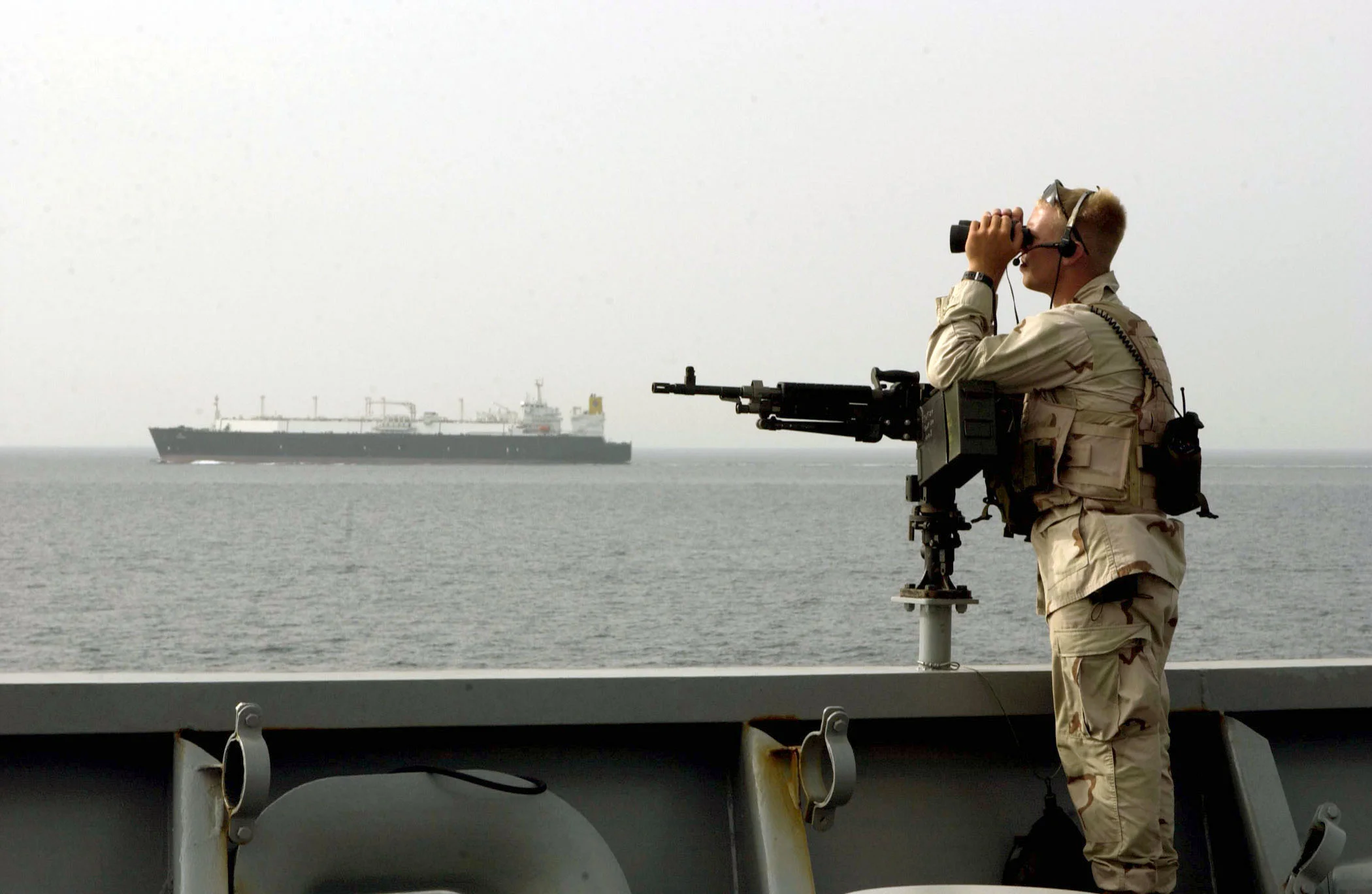
Today's ship strike is not an isolated incident. It is Iran — specifically the IRGC — asserting operational control over Hormuz transit at the exact moment the IMO was attempting to establish a functioning international maritime corridor. The sequence matters: Oman announces a new route on June 24, the IRGC rejects it and issues explicit warnings on the morning of June 25, and a ship on a UN-approved route is struck hours later. This is a direct challenge to the international community's ability to operate in the Strait independent of Iranian authorization. Whatever the peace talks framework says on paper, Iran is signaling that physical control of Hormuz is non-negotiable.
Rubio's Gulf tour produced the right messaging but lands at a moment of maximum inconvenience. Declaring 'zero support' for Iranian tolls is the correct US position, but it now sits in direct tension with the Sunday Switzerland talks — and with the observable fact that Iran just hit a ship for not using its approved route, which is functionally a toll enforcement mechanism under a different name. Rubio's dismissal of UAE concerns as 'semantics' is a diplomatic own-goal: the UAE and the Gulf states understand that what Iran is building in the Strait is leverage, not logistics.
The Lebanon thread runs through all of this and is being underreported. The US publicly claiming an Israeli withdrawal that both Israel and Lebanon deny is a significant breakdown in US credibility with both parties simultaneously. The IRGC chief's explicit warning tying Lebanon to the broader Iran deal means that even if Sunday's Switzerland talks proceed, they will be negotiating over a table that has multiple active fires burning beneath it. Oil at pre-war levels is the market saying the deal holds. Today's events are the market's assumption getting stress-tested.