DIGITAL NEWS USA

June 24, 2026 6:04 PM ET
Daily Intelligence Briefing
Brent Crude
$73.74
-4.3%
WTI Crude
$70.34
-3.59%
S&P 500
7,358.22
-0.10%
War Day
117
Since Feb 28
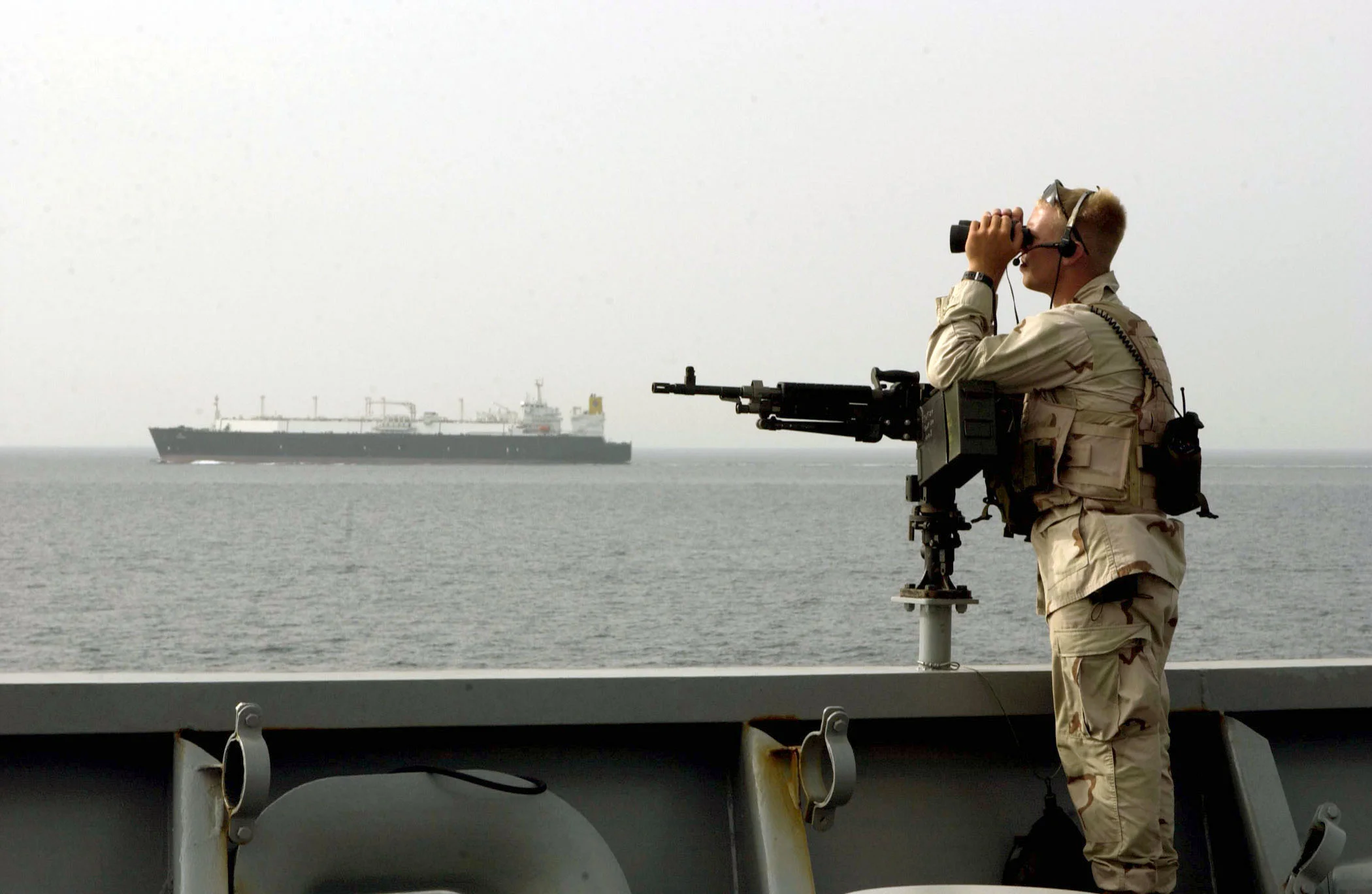
Hormuz Ships Moving, Peace Deal Fraying at the Edges Photo: US Department of Defense / DVIDS
US Navy 050505-N-4309A-110 — Master-at-Arms Seaman Matthew Ramer, assigned to Mobile Security Detachment Two Four (MSD-24), stands watch as a tanker transits the Strait of Hormuz.
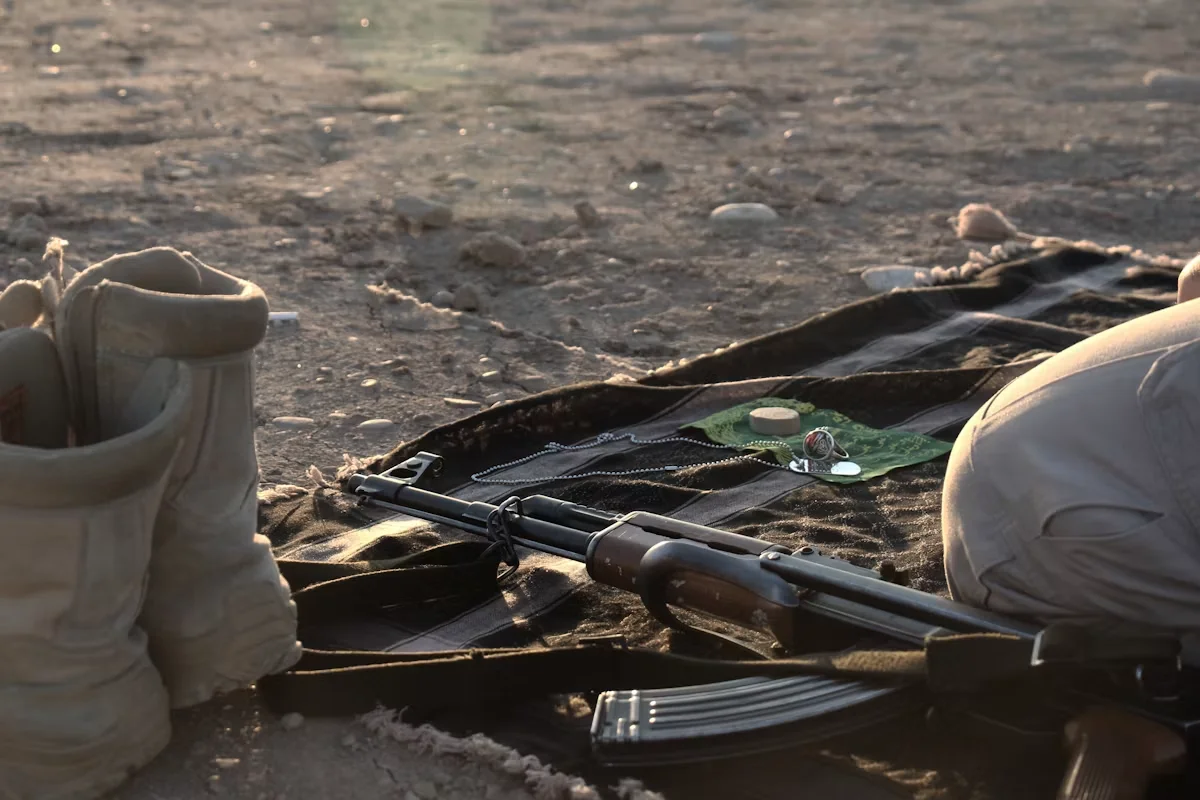
Combat boots, rifle, dog tags, and prayer stone on desert sand Photo by Mojtaba Taghizadeh on Unsplash
Tankers anchored in the Persian Gulf — Video: Pexels
Iran War — Peace Deal

Hormuz Ships Moving, Peace Deal Fraying at the Edges

One week after Trump and Pezeshkian signed the Islamabad Memorandum, the Strait of Hormuz is functionally reopening under a UN/IMO transit corridor — maritime data confirms 172 vessels have crossed since the deal. But the IRGC declared the Strait closed again on Saturday, Israel struck Lebanon hours after the ceasefire took effect, and core issues including nuclear inspections, ballistic missiles, and Iranian transit fees remain unresolved. Secretary of State Rubio is on a three-day Gulf tour attempting to hold skeptical allies together.
Bottom Line: The Islamabad Memorandum bought 60 days to negotiate details that may prove impossible to agree on. Iran's chief negotiator called the deal 'a declaration of US defeat.' The IRGC's re-closure declaration is almost certainly political posturing — shipping data contradicts it — but it signals that hardliners in Tehran retain the ability to blow up the framework at will. The Lebanon track is worse: Netanyahu publicly refuses troop withdrawal, Israel struck a car in southern Lebanon today (the first strike since Saturday's ceasefire), and the Israeli ambassador to Washington called the broader talks 'a train wreck.' Oil markets are pricing in full normalization at -4.3% today. That bet may be premature.
Military Operations

Israel Breaks Lebanon Ceasefire With First Strike Since Saturday

An Israeli drone struck a car in southern Lebanon today, killing at least two people, according to Lebanese state media. It is the first Israeli strike since the Lebanon ceasefire — part of the broader Islamabad Memorandum framework — took effect on June 21. The IRGC cited similar Israeli actions when it declared the Strait of Hormuz closed again on Saturday. Israel has not commented on the specific strike.

Source: Reuters, AP, Times of Israel — June 24, 2026

UN/IMO Transit Corridor Operational; 172 Ships Have Crossed Since Deal

The International Maritime Organization declared its Hormuz shipping transit corridor operational as of Tuesday, June 23. Kpler maritime intelligence data shows 172 vessels have transited since the Islamabad Memorandum was signed June 17, including 42 on Saturday alone — the same day the IRGC declared the Strait closed. Hundreds of ships stranded since February are now being evacuated. Daily throughput is still normalizing toward pre-war averages of 20-21 million barrels.

Source: BBC/Kpler, Marine Link, The War Zone, IMO Secretary-General Arsenio Dominguez — June 23-24, 2026

Netanyahu: Israeli Troops Stay in Lebanon 'As Long As I Am Prime Minister'

Prime Minister Netanyahu stated publicly on June 24 that Israeli forces will not withdraw from IDF-occupied territory in southern Lebanon under any current framework. Defense Minister Israel Katz added that the United States has not demanded a withdrawal. Israel's position directly contradicts Lebanon's stated goal — that Washington talks yield a ceasefire leading to full IDF departure — and undermines the Lebanon component of the broader US-Iran deal framework.

Source: Haaretz, Reuters, Dawn — June 24, 2026
Diplomacy & Negotiations

Rubio Tours Gulf States to Sell Iran Deal to Skeptical Allies

Secretary of State Marco Rubio began a three-day Gulf tour on June 23, arriving first in Abu Dhabi before meeting with Kuwait's Foreign Minister on June 24. Rubio stated the US 'won't do anything that would undermine Gulf security' and reiterated firm US opposition to any Iranian plan to charge transit fees through the Strait of Hormuz. Gulf allies remain publicly skeptical about Iran's intentions and the deal's durability.

Source: Reuters (multiple dispatches), Al Arabiya — June 23-24, 2026

Nuclear Inspection Dispute Threatens 60-Day Negotiation Window

IAEA Director General Rafael Grossi stated that inspectors will visit Iran's nuclear sites. Iran's Deputy Foreign Minister Kazem Gharibabadi immediately contradicted him, saying inspections 'will only be examined and resolved within the framework of a final agreement' — not under the current MoU. President Trump had previously declared Iran agreed to 'the highest level' of inspections. The MoU language on inspections is apparently ambiguous enough that both sides are reading it differently.

Source: AP, Iran International, Euronews — June 24, 2026

Israel-Lebanon Washington Talks Described as 'Train Wreck' After Eight-Hour Session

The fifth round of direct Israel-Lebanon military negotiations at the US State Department ran for over eight hours on June 23-24. Israeli Ambassador to the US Yechiel Leiter publicly called the talks 'a train wreck,' criticizing their linkage to the US-Iran deal. Key sticking points are the IDF presence in southern Lebanon, Hezbollah's future role, and dismantlement of Hezbollah's weapons arsenal. Lebanese President Aoun has called for talks leading to direct Lebanon-Israel negotiations.

Source: Times of Israel, Le Monde, Reuters — June 23-24, 2026
Regional Impact

Iran Plans State Funeral for Khamenei July 4-6; Tehran Declares Public Holidays

Iran announced public holidays in Tehran for July 4-6, with a nationwide holiday on July 6 for the state funeral of Supreme Leader Khamenei, who was killed in the opening US-Israeli strikes on February 28. Ceremonies will be held at Tehran's Grand Mosalla on July 4-5, with the funeral on July 6 and burial in Mashhad by July 9. President Pezeshkian has invited foreign leaders including Indian Prime Minister Modi.

Source: Times of Israel, Straits Times, Kurdistan24, Times of India — June 24, 2026

Senate Passes Symbolic War Powers Resolution 50-48

The US Senate passed a war powers resolution on June 23 directing President Trump to end the Iran war or seek congressional authorization, by a 50-48 vote. A similar measure passed the House on June 3 (215-208). The resolution is non-binding and does not carry force of law. Trump dismissed it as 'meaningless.' Senate Minority Leader Schumer called it a rebuke of 'his costly, unnecessary, and devastating war.'

Source: New York Times, NPR, Al Jazeera, Washington Post — June 23-24, 2026

Iran and Arab States to Hold Talks on Hormuz Governance; Qatar Opposes Transit Fees

Iran and Arab Gulf states are scheduled to hold formal talks on the future governance of the Strait of Hormuz following the Islamabad Memorandum. Qatar's Prime Minister stated publicly that Doha will oppose any Iranian plan to charge vessels fees for transiting the Strait — a proposal Iran has floated and one that the US has also firmly rejected. The Hormuz fee question is one of the deal's most contentious unresolved issues.

Source: Iran International, Reuters — June 24, 2026
Conflicting Reports — Read Critically

Strait of Hormuz: Open or Closed?

IRGC Iranian government military (official) Strait of Hormuz declared closed again on June 21, citing Israeli ceasefire violations in Lebanon as a breach of the MoU framework.
US CENTCOM US Military (official) Denied IRGC claim. Strait remains open. June 21-22.
Kpler maritime intelligence Commercial shipping data firm (Tier 1) 172 vessels transited since deal signing; 42 on Saturday June 21 alone — the same day IRGC declared closure.
US Energy Secretary Chris Wright (@SecretaryWright) US Government official / social media (cross-referenced Reuters) 72 ships and 20 million barrels transited in last 24 hours as of June 24 — 'fully restoring pre-conflict flows.'
BBC / Washington Examiner citing Kpler Wire service / news outlet citing commercial data Ships transiting, but volume 'far fewer than daily average before the war.' 20M barrels is up from 19M the prior day, suggesting flows are still ramping up, not plateaued.

Assessment: The Strait is functionally open. Shipping data from Kpler and MarineTraffic directly refutes the IRGC's closure declaration — 172 transits since the deal is a hard number. Wright's 'fully restored' claim is aggressive framing: pre-war daily flow averaged 20-21 million barrels, so 20M technically qualifies, but the 19M→20M trend shows normalization is still in progress, not complete. The IRGC declaration appears to be political leverage, not physical enforcement. The situation remains fragile.

Nuclear Inspections Under the MoU

IAEA Director General Rafael Grossi International organization (official) Inspectors will visit Iran's nuclear sites under the current framework.
Iran Deputy FM Kazem Gharibabadi Iranian government (official) Inspections 'will only be examined and resolved within the framework of a final agreement' — not applicable under the MoU.
President Donald Trump US Government (official) Iran agreed to 'the highest level' of inspections. June 23.

Assessment: Clear three-way contradiction. The MoU text has not been publicly released in full. Iran's Deputy FM is walking back what Trump and Grossi are claiming the deal says. This is the single most explosive unresolved issue heading into the 60-day negotiation window — if Iran refuses IAEA access, the deal collapses.

Oil Flow 'Fully Restored' vs. Still Normalizing

US Energy Secretary Chris Wright US Government official Hormuz flows 'fully restoring pre-conflict flows' at 20 million barrels per day in last 24 hours.
BBC / Kpler Wire service citing commercial maritime data Dozens of ships passing through, but 'far fewer than the daily average before the war.'
Washington Examiner News outlet 20 million barrels is up from 19 million barrels the prior day — flows still ramping up.

Assessment: Both Wright and Kpler can technically be correct simultaneously. Pre-war flow averaged 20-21 million barrels/day. If the most recent 24-hour window hit 20M, Wright's claim is defensible. But the 19M→20M trend confirms normalization is still in process. Wright is using the best available day to make the strongest political case. Markets appear to believe the trajectory, not the single-day figure — Brent is down 4.3%.

US Equity Market Direction — Intraday Reversal

AP / BNN Bloomberg (midday) Wire service / financial news (intraday) Stocks rising. S&P 500 up 0.6-0.7%, Dow up as much as 486 points by midday.
CNBC / Investopedia (closing bell) Financial news (closing data — authoritative) S&P 500 closed -0.10%, Nasdaq -0.43% — third straight day of declines. Dow held at +0.35%.

Assessment: Not a reporting error — a real intraday reversal. Early gains driven by collapsing oil prices were erased by persistent tech and AI sector weakness in the afternoon. Closing figures are authoritative. Any morning headline calling it a 'rally day' was accurate at the time and wrong by 4:00 PM.

Analysis

The Deal Is Real. Whether It Holds Is a Different Question.

The Islamabad Memorandum is not theater. Ships are moving through the Strait of Hormuz in real time — 172 transits since signing, confirmed by Kpler, a commercial data firm with no political stake in the outcome. Brent crude is at $73.74, down more than 40% from wartime peaks. Those are hard market signals, and markets are rarely this wrong about fundamental supply realities. The 60-day sanctions waiver that kicked in June 21 is also real. The framework exists.

What doesn't exist is agreement on anything hard. Iran's negotiator called the deal 'a declaration of US defeat' while Pezeshkian says Iran will never back down on enrichment. Iran's Deputy FM is publicly contradicting what Trump and the IAEA director are saying about inspection access — and the MoU text hasn't been released publicly in a form that settles the dispute. Iran won't touch its ballistic missile program. It's floating transit fees for the Strait that every US ally in the Gulf has already rejected. The IRGC declared the Strait closed three days after the deal was signed, on the same day ships were actively transiting. These aren't negotiating positions. These are fuses.

The Lebanon track is the most immediate threat to the broader framework. Netanyahu's public statement today — that Israeli troops stay in Lebanon as long as he is prime minister — is not a negotiating position either. It is a statement of intent that directly contradicts the framework Rubio is trying to sell to Gulf states this week. Israel's drone strike today, the first since Saturday's ceasefire, handed the IRGC exactly the pretext it used to re-declare Hormuz closed. The 60-day clock started June 17. Fourteen days are already gone. The gap between what the deal's signatories are saying publicly suggests the remaining 46 days will be the hardest diplomatic sprint of the decade.

What We Don't Know
  • The full text of the Islamabad Memorandum has not been publicly released — it is unknown whether the MoU explicitly mandates IAEA inspections or defers them to a final agreement, which is the core of the Trump/Grossi vs. Gharibabadi contradiction.
  • The identity and number of the two people killed in today's Israeli drone strike in southern Lebanon has not been confirmed — whether they were Hezbollah fighters or civilians matters significantly for ceasefire calculus.
  • It is unverified whether Hezbollah has formally accepted the ceasefire terms or is simply observing a tactical pause while, per ILTV reporting, rebuilding under the ceasefire.
  • The specific mechanism by which Iran plans to 'dilute' its enriched uranium stockpile — and the timeline — has not been publicly specified in any source reviewed.
  • Micron Technology earnings released after the bell tonight have not yet been reported — the result will directly determine whether the three-day tech selloff continues or reverses Thursday.
  • The France Ebola case's transmission chain and whether additional contacts in Europe have been identified has not been confirmed by French health authorities beyond initial isolation announcement.
  • The stated reason for Trump's abrupt cancellation of the housing bill signing — reportedly linked to frustration over the voting rights court ruling — has not been confirmed on the record by any White House official.
Sources
  1. Reuters (multiple dispatches)
  2. Associated Press — Damian Troise (markets)
  3. BBC — Hormuz / Kpler shipping data
  4. CNBC — Oil and equity closing prices
  5. Times of Israel — Live blog
  6. Haaretz — Netanyahu Lebanon statement
  7. Al Jazeera — War powers resolution / deal coverage
  8. Iran International — Nuclear inspections / Hormuz fees
  9. Euronews — Hormuz status / ceasefire
  10. AP — Israeli strike in Lebanon
  11. New York Times — Senate war powers vote
  12. NPR — Senate war powers resolution
  13. NBC News — Trump DOJ gas price probe
  14. Axios — Tucker Carlson / MTG leaving GOP
  15. Marine Link — IMO transit corridor
  16. The War Zone — Hormuz corridor operational status
  17. Investopedia — US equity market close
  18. BNN Bloomberg — Pre-market and Micron earnings
  19. Dawn (Pakistan) — Islamabad Memorandum terms
  20. Barrons / AFP — France Ebola case
  21. DOJ Press Release — Healthcare fraud charges
  22. Le Monde — Israel-Lebanon Washington talks
  23. Straits Times — Khamenei funeral / Hormuz
  24. Washington Examiner — Oil flow normalization